


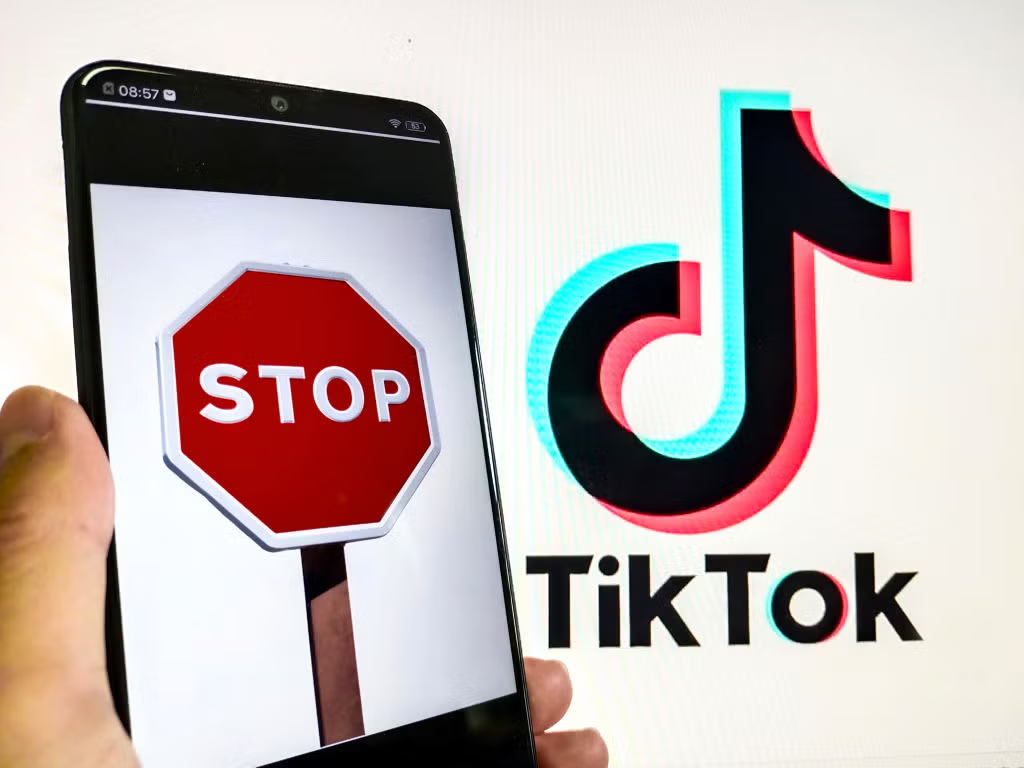
Uganda, a country with a history of internet restrictions and social media regulation, is once again in the spotlight following claims that the government has officially banned TikTok. These allegations, widely shared on social media, stem from AI-generated videos purportedly showing news broadcasts about the supposed ban. However, the claims are false. TikTok remains fully accessible in Uganda without the use of VPNs, and no major disruptions have been reported.
Concerns over the platform have been rising. In March 2025, Sheikh Shaban Ramadhan Mubajje, the mufti of the Uganda Muslim Supreme Council, publicly called for a TikTok ban, citing fears over moral decay and the spread of misinformation. This followed Uganda’s history of internet control, including a 2021 general election internet blackout that also blocked social media, introduction of digital taxes, and arrests of citizens accused of insulting President Yoweri Museveni. Facebook remains officially banned since 2021 after removing accounts linked to the ruling party for spreading misinformation.
In April 2025, Uganda’s Minister of Information and Communications Technology and National Guidance, Dr Chris Baryomunsi, responded to the calls, making it clear that the government had no plans to ban TikTok. Instead, officials are focusing on regulating online content and promoting responsible use. He also revealed that discussions were ongoing with Facebook about possibly restoring access.
The videos claiming TikTok’s ban have been traced to Google’s Veo 3 AI video-generation model, which leaves a visible watermark. Experts note that the short length of the clips, the absence of corroborating evidence, and the watermark are all signs that they are artificially generated.
While Uganda’s past actions show a willingness to impose digital restrictions during sensitive periods, there is currently no official move to block TikTok, and the platform continues to operate normally.











Leave a comment