


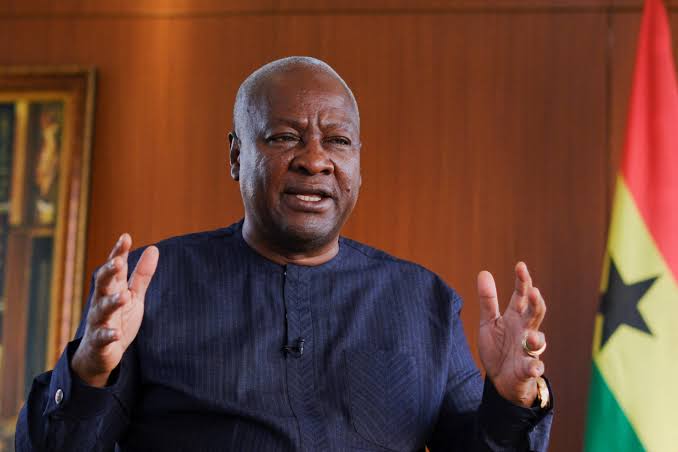
Ghana’s government has expressed support for proposals to extend the presidential term from four years to five years, arguing that a longer tenure could provide greater policy continuity and improve the implementation of national development programmes.
Government officials said the proposal is intended to give elected administrations more time to execute long-term policies and deliver on campaign commitments before returning to the electorate.
Supporters of the proposal argue that the current four-year term often leaves governments with limited time to implement major reforms, particularly as attention shifts to election preparations during the latter part of a presidential tenure. They contend that a five-year term could enhance policy consistency, improve planning and strengthen the delivery of infrastructure and socio-economic development projects.
The proposal has, however, generated debate among political stakeholders, constitutional experts and civil society organizations. While some believe a longer term could promote stability and reduce the frequency and cost of national elections, others have cautioned that any change to presidential tenure should be guided by broad public consultation and constitutional safeguards.
Ghana’s 1992 Constitution currently provides for a four-year presidential term, with a maximum of two terms. Any amendment to this provision would require constitutional processes, including legislative approval and, where applicable, a national referendum in accordance with the country’s constitutional framework.
Constitutional scholars note that presidential term lengths vary across Africa, with several countries adopting five-year mandates while others retain four-year electoral cycles. They emphasize that the effectiveness of any tenure system depends on strong democratic institutions, transparent elections and robust accountability mechanisms.
Political analysts say the discussion reflects broader debates across the continent about balancing governance continuity with democratic accountability. They argue that regardless of the length of a presidential term, effective leadership ultimately depends on institutional strength, policy implementation and public trust.
The proposal also comes as Ghana continues efforts to address economic challenges, expand infrastructure and accelerate social development. Some economists suggest that longer planning horizons could support the implementation of structural reforms, provided there is policy consistency and sound fiscal management.
Civil society groups have called for inclusive national dialogue before any constitutional changes are pursued, stressing that reforms affecting the country’s democratic framework should reflect broad political consensus and the will of the Ghanaian people.
As discussions continue, observers say any move to extend the presidential term is likely to attract significant public and parliamentary scrutiny, underscoring the importance of constitutional due process, transparency and citizen participation in decisions that shape Ghana’s democratic governance.







Leave a comment