

The Nigerian Upstream Petroleum Regulatory Commission (NUPRC), in partnership with the Stakeholder Democracy Network (SDN), has deployed a digital platform to strengthen methane monitoring and enforcement across Nigeria’s oil and gas industry, supporting the country’s target of reducing methane emissions by 60 per cent by 2035.
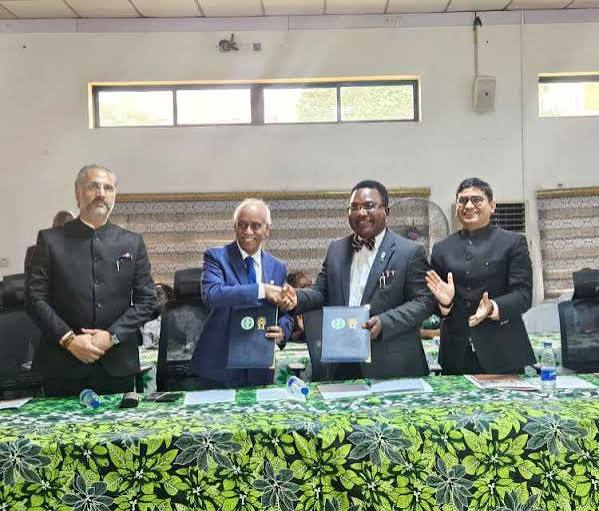
The Nigerian Oil and Gas Industry Emission Tracker (NOGIET) was formally handed over to the NUPRC at its headquarters in Abuja. The platform is designed to improve emissions monitoring, verify data submitted by operators and help regulators identify facilities with potential methane leaks.
NUPRC Chief Executive, Oritsemeyiwa Eyesan, represented at the handover by the Executive Commissioner for Health, Safety, Environment and Community, Capt. John Tonlagha, said the initiative would strengthen implementation of the commission’s 2022 Guidelines for the Management of Fugitive Methane and Greenhouse Gas Emissions in the Upstream Oil and Gas Sector.
The guidelines require oil and gas operators to transition from estimation-based emissions reporting to measurement-based reporting by the first quarter of 2027.
Eyesan said NOGIET combines satellite-based methane plume detection, regulatory mapping of oil blocks and pipelines, and facility-level emissions measurements. These features will help regulators identify emissions hotspots, detect inconsistencies in reported data, prioritise inspections and strengthen compliance monitoring.
The platform was developed through a partnership involving SDN, with financial and technical support from the Global Methane Hub. It is designed for use by both the NUPRC and the Nigerian Midstream and Downstream Petroleum Regulatory Authority (NMDPRA), providing a coordinated approach to methane management across the oil and gas sector.
SDN Board Chairman, Inemo Samiama, said the organisation had transferred the platform’s front-end and back-end components to the commission at no cost. He added that the system would move from its temporary online location to a NUPRC subdomain.
Samiama said the platform would enable regulators to compare satellite observations with measurements from oil and gas facilities, helping them identify discrepancies and take evidence-based enforcement action.
Tonlagha commended SDN and the Global Methane Hub for their support, describing the tracker as a tool for improving emissions surveillance and the reliability of environmental data.
The deployment also aligns with Nigeria’s broader commitments to reduce methane emissions, eliminate routine gas flaring and achieve net-zero emissions by 2060.
Methane is a potent greenhouse gas, and leaks from oil and gas operations contribute to climate change. By combining satellite observations with facility-level measurements, NOGIET is expected to give regulators better information for directing inspections and monitoring compliance.
However, the platform’s impact will depend on the quality of emissions data, its integration into regulatory systems and the commission’s ability to follow up on identified violations.









Leave a comment