


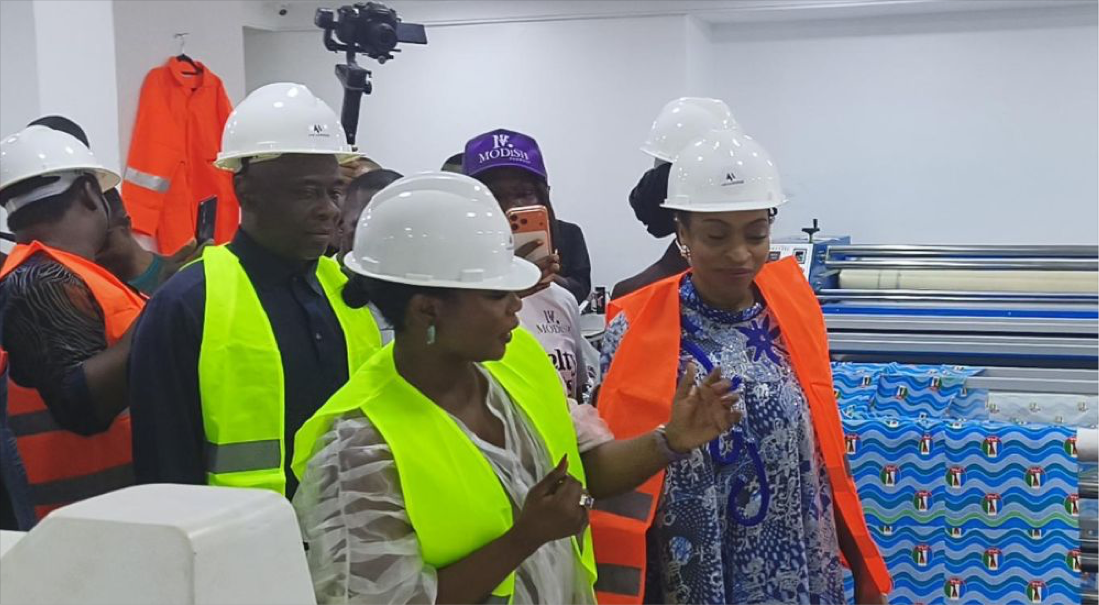
Nigeria has taken a significant step toward industrialising its fashion and textile sector with the inauguration of a state-of-the-art garment factory in Abuja, commissioned by the Minister of Industry, Trade and Investment, Jumoke Oduwole. The launch coincided with the 10th anniversary of Mo’Afrique, underscoring the intersection of entrepreneurial resilience and national industrial progress.
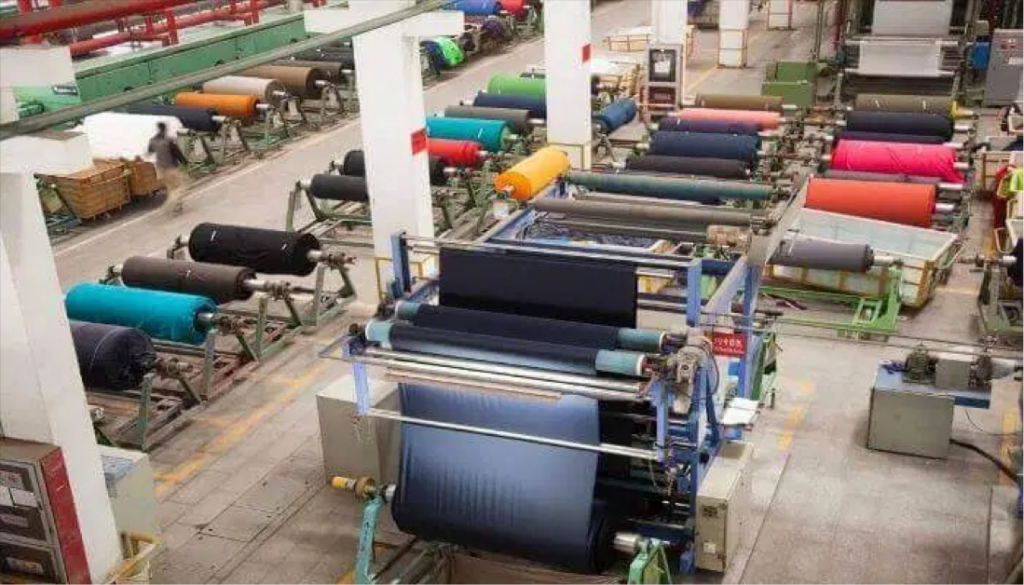
Oduwole described the factory as a symbol of scale and production capacity, aligning with the Federal Government’s broader industrialisation agenda. She urged the company to leverage opportunities under the African Continental Free Trade Area (AfCFTA), positioning Nigerian fashion for regional and global competitiveness.
“This is industrialisation in action. I have already challenged the company to export across Africa and beyond,” Oduwole said, reaffirming government support for entrepreneurs striving for productivity, scale, and global relevance.
Founder and Creative Director of Mo’Afrique, Omobolanle Olawale, marked the occasion as a defining moment for Nigeria’s garment industry. Alongside the factory launch, she introduced Modish, a new brand designed to bridge gaps in Nigeria’s mass clothing market. While luxury fashion has thrived, Olawale noted that everyday wear—uniforms, professional attire, and casual clothing remains underserved.
“Modish Formals is our response to this challenge, offering large-scale production for institutions including the military, corporations, schools, and paramilitary organisations,” she explained.
Equipped with modern technology and skilled personnel, the factory is expected to boost local manufacturing capacity, create jobs, and empower Nigerian talent. Olawale emphasised that Nigeria currently spends about $G billion annually on imported clothing, with over U0 percent of fabrics sourced abroad. She positioned Modish as a solution to strengthen the textile value chain over the next decade.
Beyond commerce, the company unveiled the Modish Scholars Programme, a corporate social responsibility initiative supporting the education of disadvantaged children. “This is our contribution to tackling the scourge of out-of-school children,” Olawale said.
Reflecting on Mo’Afrique’s journey, she highlighted resilience and excellence as the driving forces behind its growth from a bedroom startup to a full-scale manufacturing enterprise.
With AfCFTA opening new trade corridors, the inauguration signals Nigeria’s ambition to transform fashion into both cultural expression and industrial power combining creativity, craftsmanship, and commerce to compete globally.











Leave a comment