


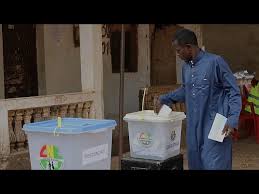
Guinea-Bissau is set to hold a national referendum on proposed constitutional reforms that would significantly expand the powers of the presidency, a move that is expected to reshape the country’s political system. President Umaro Sissoco Embaló announced the referendum as part of a broader effort to reform state institutions, arguing that the changes are necessary to improve political stability and strengthen governance in a country that has experienced decades of political instability and repeated changes in government.
The proposed constitutional amendments would grant the president greater executive authority, including increased influence over the appointment and dismissal of government officials and a stronger role in the management of state institutions. Supporters of the reforms argue that expanding presidential powers would help reduce prolonged political deadlock and enable faster decision making, particularly during periods of national crisis.
However, the proposals have sparked concern among opposition parties and civil society groups, who fear that concentrating more authority in the presidency could weaken democratic checks and balances and reduce the independence of other state institutions. Critics have called for greater public consultation, warning that any constitutional changes should reflect broad national consensus rather than the interests of a single political administration.
The referendum is expected to become one of the most significant political events in Guinea-Bissau in recent years, with voters deciding whether to approve the proposed constitutional changes. The outcome could have far reaching implications for the country’s democratic system, governance structure, and future political stability.
Guinea-Bissau has a long history of political uncertainty, marked by military interventions, institutional disputes, and frequent changes in government. Observers say the referendum will be closely watched both within the country and across West Africa as a key test of the nation’s democratic institutions and its efforts to strengthen political stability while preserving constitutional accountability.










Leave a comment