


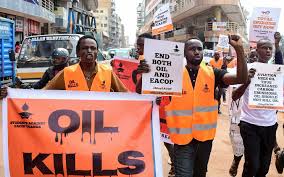
A group of Ugandan farmers has filed a landmark lawsuit in the United Kingdom’s High Court seeking to halt the controversial East African Crude Oil Pipeline (EACOP), arguing that the project has violated Uganda’s constitutional, environmental, and climate laws. The case targets EACOP Ltd, the UK registered company overseeing the 1,443 kilometre pipeline, and aims to have Ugandan law applied to the company’s operations despite its registration in Britain.
The farmers claim the pipeline project has negatively affected their land, livelihoods, and environment through land acquisition and construction activities. They argue that communities have suffered inadequate compensation, loss of farmland, and environmental harm, while raising concerns about the project’s long term impact on ecosystems and greenhouse gas emissions. Lawyers representing the farmers describe the case as an unprecedented attempt to hold a multinational infrastructure project accountable in a UK court under the laws of the country where the project is being built.
The East African Crude Oil Pipeline is a $5.6 billion project led by French energy company TotalEnergies in partnership with China’s CNOOC, along with the governments of Uganda and Tanzania. Once completed, the pipeline will transport crude oil from Uganda’s oil fields in Hoima to the Tanzanian port of Tanga for export to international markets. Supporters say the project will boost economic growth, create jobs, and generate significant government revenue for both countries.
However, the project has faced sustained opposition from environmental organisations, human rights groups, and local communities, who argue it threatens sensitive ecosystems, contributes to climate change, and has displaced thousands of people. Previous legal challenges have been brought before regional courts, but this latest case marks one of the most significant attempts to challenge the pipeline through the British legal system.
The outcome of the case could have far reaching implications for multinational companies operating overseas, particularly regarding corporate accountability for environmental protection and human rights. It may also influence future legal efforts to challenge major fossil fuel projects in international courts while construction on the pipeline continues.












Leave a comment