


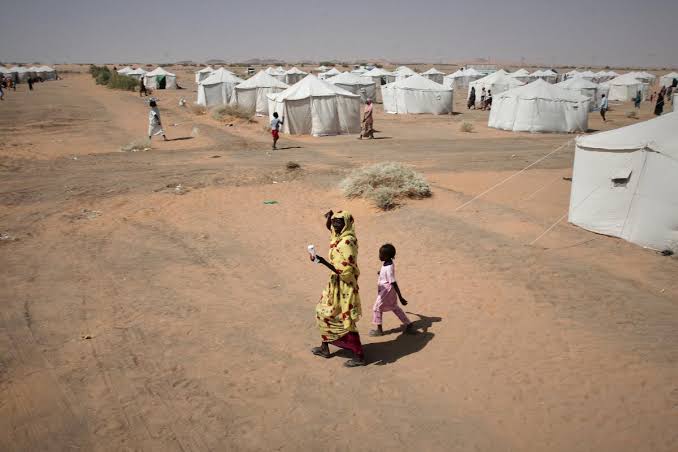
UNICEF has warned that the conflict in Sudan is exacting a devastating toll on children, revealing that more than 330 children were killed or injured during the first six months of 2026 alone. The UN children’s agency described the situation as a relentless cycle of violence, displacement, and deprivation, with drone strikes and escalating fighting increasingly placing children in the direct line of fire.
According to UNICEF, nearly 60 percent of the reported child casualties were linked to drone attacks, with the worst affected areas including North Kordofan, Darfur, and Blue Nile states. In North Kordofan alone, more than 35 child casualties have been reported since May, including children as young as two months old. The agency warned that the increasing use of explosive weapons in populated areas is exposing children to unprecedented levels of danger.
Beyond the loss of life, millions of children continue to endure severe humanitarian conditions as the conflict enters its fourth year. Many have been forced from their homes, deprived of education, separated from their families, and left without reliable access to food, clean water, healthcare, or protection. UNICEF says the ongoing violence has intensified fear and trauma among children, many of whom have spent years living amid conflict.
The agency has renewed its call on all parties to the conflict to uphold international humanitarian law by protecting civilians, particularly children, and safeguarding schools, hospitals, and other civilian infrastructure. UNICEF also urged the international community to increase humanitarian funding and improve access for aid workers so that life saving assistance can reach vulnerable families trapped in conflict affected areas.
Sudan’s conflict, which began in April 2023, has created one of the world’s largest humanitarian crises. Millions of people have been displaced, widespread famine has taken hold in several regions, and the United Nations continues to warn that without urgent international action, the humanitarian situation, especially for children, is likely to deteriorate even further.












Leave a comment