


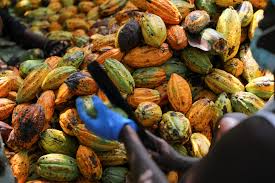
Ghana’s cocoa sector is facing financial strain as a growing number of farmers report not being paid for their harvests, raising concerns about investment in the upcoming 2026 season. Sources indicate that international traders, who are now responsible for providing upfront payments under a new purchasing model, have withheld funds, leaving many producers in precarious positions.
The revamped system, introduced for the 2024/25 cocoa season, shifted the responsibility for pre-financing purchases from the Ghana Cocoa Board (COCOBOD) to international buyers. Previously, COCOBOD would provide advance payments to farmers, ensuring liquidity and enabling them to finance inputs such as fertilizers, pesticides, and labour for the next planting cycle. Under the new model, international traders are expected to pay upfront sums directly, a change intended to modernize transactions and align Ghana’s cocoa market with global standards.
However, according to industry insiders, the transition has been bumpy. Some traders have refused or delayed payments, citing logistical challenges, disagreements over pricing, and uncertainty over contractual terms. The resulting cash flow issues have left farmers struggling to cover production costs, creating fears that investment in the next harvest could be severely curtailed.
Ghana is one of the world’s largest cocoa producers, supplying a significant share of global demand for chocolate and related products. The cocoa sector is critical to the country’s economy, supporting the livelihoods of millions of smallholder farmers and contributing substantially to export revenues. Delays in payments not only affect individual farmers but could have ripple effects throughout the supply chain, including processors, exporters, and regional economies dependent on cocoa income.
COCOBOD has defended the new approach, arguing that it is designed to strengthen Ghana’s position in the global cocoa market by introducing greater transparency and financial discipline. Officials have noted that the system aims to reduce government risk while encouraging international buyers to take a more active role in supporting farmers.
Nevertheless, critics warn that without effective enforcement mechanisms, robust oversight, and timely intervention, the model could exacerbate financial insecurity among cocoa producers. Industry analysts emphasize the need for clear contracts, reliable payment schedules, and contingency measures to protect farmers from delays that could disrupt production cycles.
The ongoing payment delays come amid volatile global cocoa prices, rising input costs, and increasing competition from other producing nations. For many Ghanaian farmers, these factors combine to heighten uncertainty about the sustainability and profitability of cocoa farming under the new pre-financing framework.
As the sector prepares for the next season, stakeholders are calling for urgent dialogue between COCOBOD, international traders, and farmer cooperatives to ensure that payments are made promptly and that smallholder livelihoods are safeguarded. How effectively these challenges are addressed will determine whether Ghana’s cocoa industry can maintain its competitive edge and continue supporting millions of rural households.









Leave a comment