


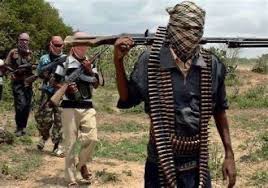
Nigeria’s deepening security crisis was brought into sharp focus this week after five soldiers and one police officer were killed in a deadly ambush by armed militants in the country’s northwest. The attack, which occurred on Monday in Zamfara State, underscores the growing risks faced by security personnel and the persistent challenge of combating heavily armed criminal groups operating across vast rural مناطق.
According to the military, the troops were travelling to respond to an earlier attack on a village when they themselves were ambushed. The assailants struck with speed and coordination, taking advantage of difficult terrain and limited visibility. While authorities have not confirmed which group carried out the assault, the region has long been plagued by armed gangs commonly referred to as bandits, who routinely target civilians and security forces alike.
Zamfara State lies at the epicentre of bandit violence in northwestern Nigeria. For years, criminal groups have operated from remote forest hideouts, launching raids on villages, highways, farms, and mining communities. Their activities include mass kidnappings for ransom, cattle rustling, village burnings, and targeted killings. The violence has displaced thousands of residents and devastated local economies dependent on agriculture and trade.
The ambush illustrates the tactical challenges facing Nigeria’s armed forces. Troops are often deployed across vast, sparsely populated areas with poor road networks and limited intelligence support. Responding to distress calls can expose security convoys to carefully planned attacks, as armed groups monitor troop movements and exploit predictable response patterns. Analysts say this dynamic has turned rescue missions into high risk operations.
Nigeria’s military and police have launched multiple operations in the northwest, including air raids, ground offensives, and joint task forces involving local vigilante groups. Despite these efforts, armed gangs have shown remarkable resilience, frequently regrouping after setbacks and adapting their tactics. The sheer scale of the affected territory, combined with shortages of personnel and equipment, has strained security forces already battling insurgencies and unrest in other parts of the country.
The loss of six security personnel has sparked renewed concern about morale within the ranks. Soldiers and police officers are increasingly deployed in prolonged operations under harsh conditions, often without adequate logistical support. Families of fallen personnel continue to call for better protection, compensation, and welfare for those on the front lines of the country’s security battles.
For local communities, the ambush is another reminder of their vulnerability. Many villagers in Zamfara and neighbouring states live in constant fear, caught between armed gangs and security operations. While residents often welcome the presence of troops, they also worry that military activity can provoke reprisals from bandits once security forces withdraw. This cycle has made lasting peace elusive.
Experts argue that a purely military response will not be enough to end the crisis. They point to deeper drivers of banditry, including poverty, youth unemployment, weak local governance, illegal mining, and the proliferation of small arms. Addressing these issues, they say, requires a comprehensive approach that combines security operations with economic development, justice reforms, and community engagement.
The Nigerian government has repeatedly pledged to restore peace to the northwest and other troubled regions. However, continued attacks on both civilians and security forces highlight the scale of the challenge. Each ambush not only claims lives but also erodes public confidence in the state’s ability to protect its citizens and those sworn to defend them.
As Nigeria mourns the soldiers and police officer killed in Zamfara, their deaths stand as a stark symbol of the ongoing conflict between the state and armed criminal groups. Until the root causes of banditry are effectively addressed and security forces are better supported, such tragedies are likely to remain a grim feature of life in parts of the country.











Leave a comment