


The World Trade Organisation (WTO) has urged African countries to strengthen regional value chains, accelerate industrialisation and invest in critical infrastructure to increase the continent’s influence in global trade.
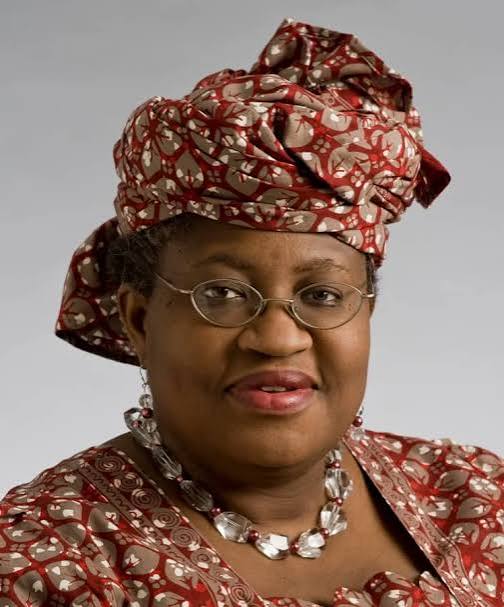
WTO Director-General Ngozi Okonjo-Iweala made the call on Monday in Abuja at a conference on Africa and the Geoeconomics of African States, Integration, Power and Structural Transformation.
Okonjo-Iweala, represented by Dr Jan Yves Remy of International Trade and WTO, said Africa was strategically positioned to benefit from changing global trade patterns, citing its natural resources, youthful population and connections to international markets.
She noted that Africa held nearly 30 per cent of the world’s critical mineral reserves, including cobalt, lithium, manganese, copper, nickel and graphite, but accounted for only about three per cent of global exports.
She said the continent needed to strengthen its productive capacity and move beyond exporting raw materials to processing and manufacturing products locally.
“Africa must move beyond exporting raw materials to processing and manufacturing products locally to retain more economic value,” she said.
The WTO chief identified the African Continental Free Trade Area (AfCFTA) as an important instrument for expanding production, strengthening regional supply chains and creating opportunities for African businesses.
She said intra-African exports accounted for about 17 per cent of the continent’s merchandise exports in 2024, highlighting the scope for expanding trade among African countries.
However, she identified infrastructure gaps, institutional weaknesses and non-tariff barriers as major obstacles to the effective implementation of the continental trade agreement.
She called for increased investment in roads, ports, electricity, shipping connections and trade finance to facilitate cross-border commerce.
She also advocated more efficient customs procedures and predictable regulations to reduce trade costs and enable businesses to operate across African markets.
Okonjo-Iweala further urged African universities and WTO chairs to strengthen research, training and policy engagement, noting that intellectual capacity was essential to improving the continent’s influence in international economic discussions.
The Vice-Chancellor of Nnamdi Azikiwe University, Prof. Bond Anyaehie, also called for stronger economic integration to promote industrialisation and improve Africa’s global competitiveness.
Anyaehie said the continent needed to move beyond trade integration towards building collective economic strength through infrastructure development, industrialisation and competitive local enterprises.
He cautioned that trade liberalisation without adequate infrastructure and a continental market without competitive African businesses would not deliver meaningful economic transformation.
He said the success of AfCFTA should be measured by Africa’s ability to source inputs, manufacture products, provide services and finance trade through indigenous institutions.
Anyaehie also highlighted the need for African businesses to improve product branding, citing cases where locally manufactured goods were exported, rebranded abroad and returned to African markets as foreign products.
He encouraged entrepreneurs to use digital platforms to expand their market reach and urged universities to contribute to trade transformation through research, skills development and policy engagement.
The conference was organised by the university’s National Centre for Regional Integration and Trade Research.
Africa’s regional integration efforts are anchored on AfCFTA, which seeks to establish a single continental market for goods and services. Its effective implementation is expected to support larger markets, encourage investment, strengthen manufacturing and create opportunities for cross-border trade.









Leave a comment