


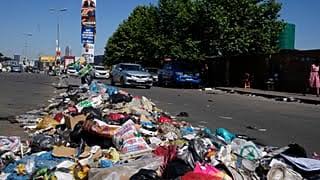
South Africans are heading to the polls amid growing frustration over prolonged water shortages, electricity disruptions, poor sanitation and deteriorating infrastructure, making service delivery a central issue in the November 4, 2026 local government elections.
Johannesburg has emerged as a major focus of public discontent, with parts of the city experiencing water shortages and low pressure for nearly two weeks. Mayor Dada Morero attributed the disruptions to high consumption, leaks and ageing water infrastructure, while residents staged protests over the shortages. Africanews+1
A South African Human Rights Commission inquiry found that nearly 45 per cent of water supplied through Johannesburg’s municipal pipelines was being lost because of poor infrastructure. The report also highlighted weak financial management and shortages of qualified technical personnel in several municipalities. Africanews
Beyond Johannesburg, communities in Durban, Pretoria and other parts of the country continue to face unreliable water supplies, electricity interruptions, sewage problems and poor waste collection. These challenges have intensified criticism of municipal administrations and placed pressure on political parties to demonstrate how they would improve essential services. Africanews+2
The African National Congress (ANC), which has governed South Africa since 1994, faces the prospect of further electoral losses as voters assess its record on local governance. The elections are also expected to produce coalition negotiations in several major cities, reflecting the country’s increasingly fragmented political landscape. Reuters+1
The outcome will test public confidence in local government and the ability of political parties to address infrastructure failures, improve accountability and restore reliable basic services.




Leave a comment