


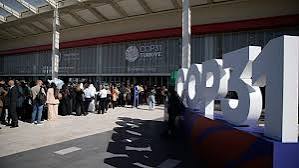
Thousands of delegates have arrived in Antalya, Turkey, for the 31st United Nations Climate Change Conference (COP31), which opened on Monday, Nov. 9, amid growing concerns over extreme weather, energy security and the financing needs of developing countries.
The 12-day conference, running until Nov. 20 at the Antalya Expo Centre, brings together government representatives, climate negotiators, scientists, businesses, civil society organisations and other stakeholders to discuss measures to address the global climate crisis.
More than 90,000 participants are expected to attend, according to organisers. Heads of state and government are scheduled to gather for the leaders’ summit on Nov. 11 and 12.
The negotiations are expected to focus on accelerating reductions in greenhouse gas emissions, expanding renewable energy and electrification, cutting methane emissions and strengthening the resilience of cities and communities facing climate-related disasters.
Climate finance is also expected to feature prominently, particularly demands from developing countries for greater support to adapt to rising temperatures, floods, droughts and other climate impacts.
The talks are taking place against a challenging geopolitical and economic backdrop, with disruptions to global energy supplies linked to the conflict involving Iran adding pressure to fuel and fertiliser markets. The situation has renewed debate over energy security and the pace of the transition to cleaner energy sources.
United Nations climate chief Simon Stiell urged governments to move beyond existing commitments and accelerate implementation, warning that global progress remained insufficient and unfair.
Turkey is hosting the conference, with Australian Climate Change and Energy Minister Chris Bowen chairing the negotiations under an arrangement agreed between the two countries. Turkey’s Environment, Urbanisation and Climate Change Minister, Murat Kurum, is serving as COP31 president.
The programme is organised around thematic days covering food and agriculture, energy and transport, zero waste, resilient cities, finance and trade, youth and education, technology, oceans, social development and implementation.
The leaders’ summit on Nov. 11 and 12 is expected to provide an opportunity for heads of state and government to present national climate positions and discuss ways to strengthen international cooperation.
The conference comes as countries face increasing pressure to translate the goals of the Paris Agreement into measurable action. The agreement seeks to limit global warming to well below 2 degrees Celsius above pre-industrial levels, while pursuing efforts to keep the increase to 1.5 degrees.
For developing countries, particularly those in Africa, the negotiations carry significant implications for access to climate finance, adaptation support, technology transfer and investment in resilient infrastructure.
The outcome of COP31 will be closely watched for progress in turning climate pledges into practical measures, particularly for communities already experiencing the effects of rising temperatures and increasingly severe weather events.







Leave a comment