


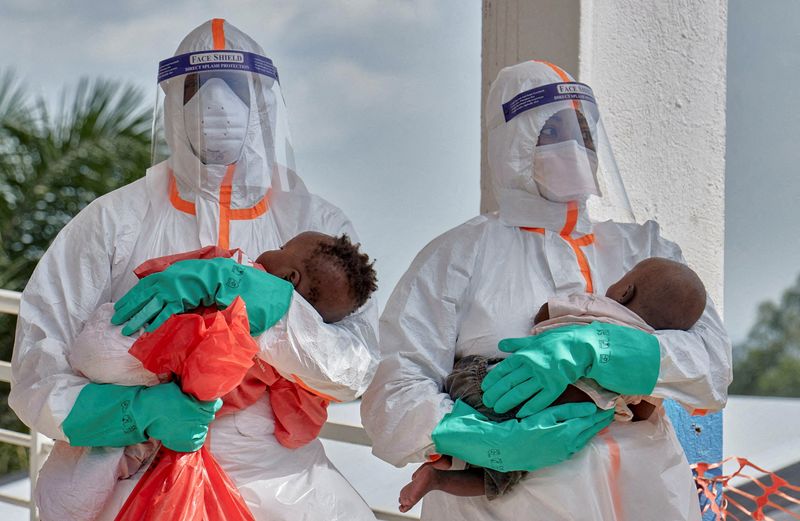
The response to the ongoing Ebola outbreak in the Democratic Republic of the Congo (DRC) has been disrupted by protests from health workers over delayed salary payments, raising concerns about the country’s capacity to contain the disease.
Healthcare personnel involved in the outbreak response staged demonstrations after reporting months of unpaid wages, with some workers suspending critical activities, including surveillance, contact tracing and community outreach.
Public health officials warned that interruptions to frontline response efforts could hinder progress in controlling the outbreak, as rapid case detection, treatment and monitoring remain essential to limiting the spread of the virus.
The protests come as the DRC continues to battle Ebola in affected regions, where health authorities and humanitarian organizations are working to identify cases, isolate infected individuals and vaccinate those at risk.
Health experts say timely payment of frontline workers is critical to maintaining an effective outbreak response. They note that healthcare personnel play a central role in disease surveillance, laboratory testing, patient care and public education, making workforce stability essential during public health emergencies.
The World Health Organization (WHO) and other international partners have repeatedly emphasized the need for sustained funding to support outbreak response operations, including healthcare worker remuneration, medical supplies, laboratory capacity and emergency logistics.
Development specialists warn that prolonged funding gaps can weaken health systems, reduce staff morale and undermine public confidence in disease control efforts. They argue that predictable financing and efficient management of response resources are vital to ensuring continuity of essential health services.
Community engagement also remains a key component of the Ebola response. Public health experts stress that trust between healthcare workers and local communities is necessary to encourage early reporting of symptoms, participation in contact tracing and compliance with infection prevention measures.
Analysts say the protests underscore broader challenges facing health systems in many low- and middle-income countries, where financial constraints and workforce shortages can affect emergency preparedness and response capacity.
As authorities work to resolve the salary dispute, health officials and international partners have called for swift action to restore full outbreak response operations and ensure frontline workers receive the support needed to protect public health and prevent further transmission of the virus.







Leave a comment