


Uganda has introduced a mandatory 21-day quarantine at travellers’ own expense for citizens returning from the Democratic Republic of Congo (DRC), tightening measures to prevent the spread of Ebola as health authorities investigate infections reported in neighbouring countries.
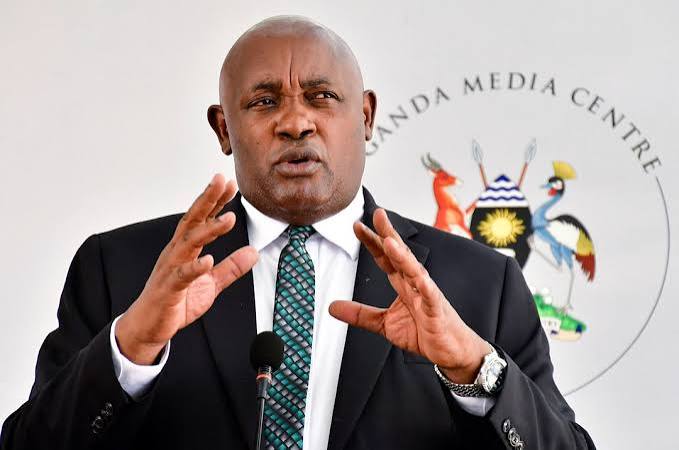
Uganda’s Health Minister, Chris Baryomunsi, announced the measure on Sunday, October 25, alongside stricter screening requirements at Entebbe International Airport and land border crossings. The Ministry of Health said the restrictions apply to Ugandan citizens with a history of travel to the DRC.
The government has also directed all travellers entering Uganda by air, land or water to complete passenger locator forms and undergo health screening. Non-essential Congolese travellers entering Uganda will be returned to the DRC at their own expense, while people who evade screening or violate lawful quarantine requirements may face prosecution.
Uganda declared its latest outbreak of Bundibugyo Ebola virus disease over on July 28, after recording 20 infections and two deaths. However, transmission has continued in the DRC, prompting renewed concern about cross-border spread through travel, trade and family connections.
The measures follow Ebola infections identified in Kenya and Nigeria involving travellers who passed through Uganda. Kenya’s first reported patient, a 40-year-old Kenyan man who had travelled from the DRC, passed through Entebbe International Airport before arriving in Nairobi on October 3. He died two days later, and Kenya subsequently reported additional infections among his contacts.
Nigeria has also confirmed an Ebola infection involving a Ugandan-born woman married to a Swiss diplomat stationed in Abuja. She travelled from Uganda to Nigeria through Addis Ababa on October 3. On Monday, October 26, Nigerian authorities said her condition had improved significantly and she was medically evacuated to Switzerland for further care.
The source of the Nigerian patient’s infection remains under investigation. Swiss authorities have said she did not visit the DRC and believe she may have contracted the virus while travelling in Uganda. Ugandan officials have challenged the conclusion, saying investigators are examining her movements and possible contact with relatives who had travelled to the DRC. Nigerian, Ugandan and international health experts are working to establish the likely source of infection.
Genomic analysis found that the viruses identified in the Nigerian and Kenyan patients were closely related, but authorities have said there is no established evidence of a direct connection between the two cases. Both travellers passed through Entebbe airport on October 3, although Ugandan officials said a review of airport security footage found no physical interaction between them.
Uganda said 60 people identified as contacts in the investigation linked to Kenya’s first case had completed 21 days of monitoring without developing symptoms and had been discharged from follow-up. The country has also deployed health personnel and technical support to the DRC to help strengthen testing, treatment and outbreak containment.
The outbreak is caused by the Bundibugyo strain of Ebola, for which there is currently no approved vaccine or specific treatment. Ebola spreads through direct contact with the blood or other bodily fluids of infected people, as well as contaminated materials. The incubation period can extend to 21 days, making contact tracing, monitoring and early identification important components of outbreak control.
Uganda’s government has urged travellers to comply with screening and public health instructions while coordinating with neighbouring countries to contain transmission. The latest restrictions underscore the challenges of controlling outbreaks across borders where communities maintain frequent family, commercial and social ties.













Leave a comment