


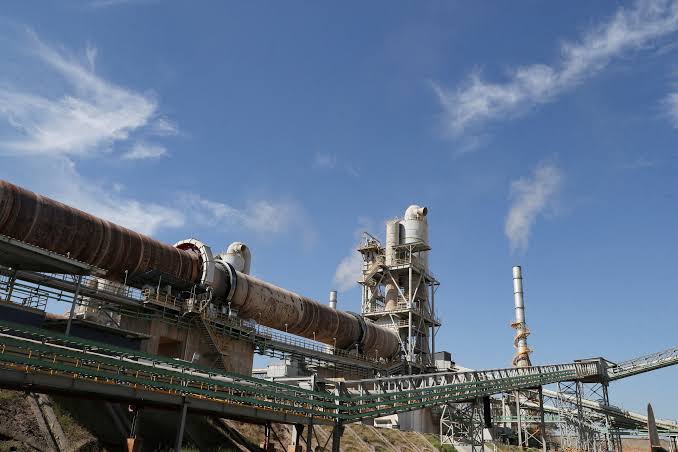
Mozambique is seeking greater investment from South African businesses to develop its natural gas sector, as the southern African country looks to expand energy production, attract capital and translate its substantial gas reserves into jobs and industrial growth.
The push comes as Mozambique advances major liquefied natural gas (LNG) developments in the Rovuma Basin and explores opportunities to strengthen gas infrastructure and regional energy trade. The country’s National Petroleum Institute estimates its natural gas resources at about 180 trillion cubic feet, making the sector a major focus of its investment strategy.
South African companies could contribute financing, engineering expertise, equipment, logistics and other services needed to develop gas production, processing, storage and transportation infrastructure. Regional cooperation is also important because Mozambique’s gas resources could support industrial activity and energy supply beyond its borders.
Mozambique has several major gas projects at different stages of development. The Mozambique LNG project, led by TotalEnergies in Area 1 of the Rovuma Basin, resumed development activities in January 2026 after being suspended in 2021 because of an Islamist insurgency in Cabo Delgado province. The project is targeting annual production of about 13 million tonnes of LNG, with exports expected from 2029.
In Area 4, the Coral North floating LNG project, led by Italian energy company Eni and its partners, received a final investment decision in October 2025. The project is expected to produce about 3.55 million tonnes of LNG annually, with operations planned for 2028.
Mozambique is also developing infrastructure intended to connect gas supplies with domestic and regional markets. In November 2025, its government approved a concession covering LNG facilities at Beira and Inhassoro and the Mozambique to South Africa pipeline, known as ROMPCO. The proposed infrastructure is intended to facilitate gas transportation and support industrial development.
For Mozambique, attracting additional South African investment could help broaden participation in the gas industry beyond major international energy companies. Greater involvement by regional businesses could also create opportunities for local suppliers, technical service providers and workers.
However, the sector faces continuing challenges, including security risks in northern Mozambique, high project costs, infrastructure requirements and the need to ensure that gas development produces wider economic benefits for local communities.
The government has identified domestic gas utilisation, industrialisation and the development of local supply chains as important priorities alongside LNG exports. Its investment agency lists opportunities in gas transportation, processing, power generation, fertiliser production and other downstream industries.
The extent of South African participation will depend on the specific investment opportunities offered, financing arrangements, regulatory conditions and the commercial viability of the proposed developments.








Leave a comment