



Health professionals, technology experts, policymakers and development partners have called for a national framework to guide the safe and responsible use of artificial intelligence (AI) in Nigeria’s healthcare system.
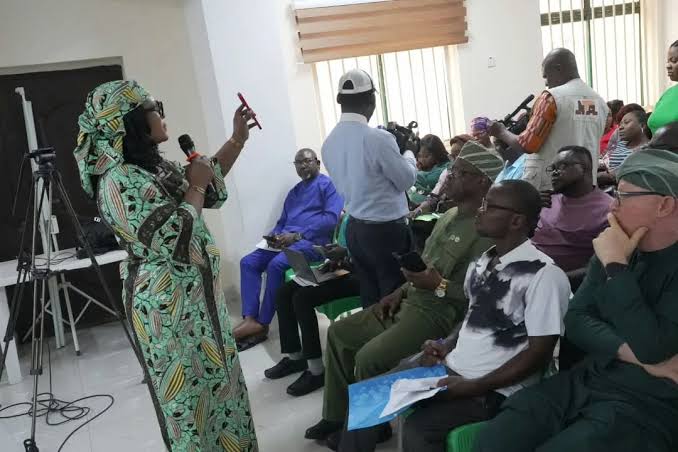
They made the call on Monday at the Artificial Intelligence in Health Summit 2026 in Abuja, where participants examined how AI could improve diagnosis, strengthen disease surveillance, expand access to healthcare and reduce service delivery costs.
The summit, convened by the Africa Hub for Innovation and Development (AHFID), is focused on translating discussions about AI’s potential into practical policies, regulatory safeguards and implementation plans for Nigeria’s health sector.
AHFID founder and Chief Executive Officer, Dr. Kunle Kakanfo, said AI could help address persistent challenges, including shortages of healthcare professionals, high out-of-pocket medical expenses and the country’s heavy burden of tuberculosis.
Nigeria records an estimated 510,000 tuberculosis cases annually, while more than 70 per cent of Nigerians pay for healthcare directly from their pockets, according to figures cited by experts ahead of the summit.
Kakanfo said AI-powered tools could support tuberculosis screening by analysing chest X-rays, potentially helping health facilities identify suspected cases more efficiently. However, he stressed that AI would not replace medical professionals or independently resolve the country’s healthcare challenges.
He also called for greater investment in locally generated health data and Nigerian-owned AI models, warning that technologies trained predominantly on foreign datasets might not perform equally well across Nigerian populations and clinical settings.
Dr. Abiola Oshunniyi, senior technical adviser to the Director-General of the Nigeria Centre for Disease Control and Prevention, said AI could also strengthen disease surveillance, outbreak prediction and the early positioning of medical countermeasures.
He called for stronger links between technology developers, regulators, research institutions and government agencies to ensure that locally developed health technologies undergo appropriate evaluation and can be adopted and scaled within the health system.
Participants also highlighted concerns over patient privacy, data security, clinical validation and accountability when AI systems contribute to medical decisions.
Liss Yori, technology law counsel at AHFID and AI4SID and coordinator of the summit, emphasised the need to put patients’ welfare at the centre of AI development and deployment.
The discussions are expected to inform recommendations for a national AI-in-health roadmap, including clearer regulatory arrangements, standards for evaluating medical AI tools, safeguards for health data and procurement pathways that allow healthcare institutions to adopt suitable technologies.
The push for a national framework comes as the Federal Government advances its wider digital health agenda. In June 2026, President Bola Tinubu approved the establishment of the National Health Technology and Data Analytics Office to coordinate digital health initiatives, strengthen interoperability and support a more data-driven health system.
Stakeholders say a coordinated approach could help Nigeria move beyond isolated pilot projects towards evidence-based adoption of AI tools, while ensuring that innovation does not outpace regulation, patient safety and public accountability.











Leave a comment