


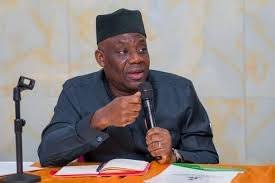
Minister of Education Tunji Alausa has urged vice chancellors of Nigerian universities to introduce specialised degree programmes in audiology, occupational therapy, speech and language therapy, clinical psychology and medical social work to address shortages of trained professionals.
Alausa made the call in a statement issued in Abuja on Sunday, October 18, following discussions with the Federal Government’s Ministerial Committee on the Advancement of Audiology, Occupational Therapy and Speech and Language Therapy.
He said expanding training in the fields would strengthen Nigeria’s capacity to provide specialised healthcare and social services while creating employment opportunities for young Nigerians.
The minister urged university administrators to work with the committee’s chairperson, Dr Victoria Amu, relevant regulatory agencies and professional bodies to facilitate the establishment of the programmes.
He stressed that proposed courses must meet appropriate academic and professional standards and equip graduates with the practical competencies required for effective service delivery.
Alausa said the initiative was intended to address gaps in specialist care and reduce dependence on external expertise. Professionals trained in audiology help assess and manage hearing and balance disorders, while occupational therapists support people in developing or regaining the skills needed for everyday activities. Speech and language therapists work with people experiencing communication and swallowing difficulties.
The minister also reaffirmed the Federal Government’s commitment to establishing autism centres across Nigeria’s six geopolitical zones. The centres are expected to expand access to diagnosis, therapeutic services and research, while providing support for people on the autism spectrum and their families.
The proposed centres would also serve as hubs for families, healthcare professionals and educational institutions, helping to improve access to specialised services and information.
Alausa said the initiatives formed part of wider efforts to strengthen human capital development, improve service delivery and make higher education more responsive to national workforce needs.
The minister commended Amu for her work advancing the specialised disciplines and called for collaboration among universities, government agencies and professional organisations to move the proposals forward.
Nigeria has faced persistent shortages of specialised rehabilitation and support professionals, limiting access to services in hospitals, schools and communities. Expanding university training could help build local capacity, although implementation will require qualified lecturers, appropriate facilities, clinical placements, funding and accreditation.
The government said it would continue pursuing reforms to expand access to relevant education and promote skills development under President Bola Tinubu’s Renewed Hope Agenda.







Leave a comment