


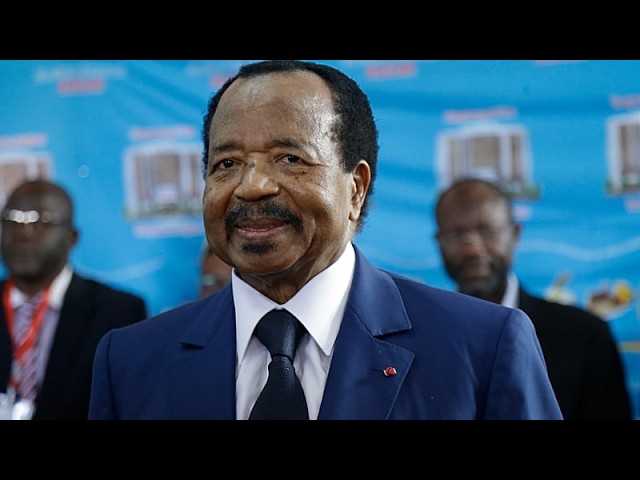
The prolonged absence of Cameroonian President Paul Biya from public view has renewed public and political debate over the country’s leadership, succession and government transparency.
Biya, Africa’s oldest serving head of state at 93, has been absent from official engagements for an extended period, prompting widespread speculation about his health and ability to carry out presidential duties. The Presidency has not announced any change in the constitutional functioning of government.
Government officials have repeatedly dismissed concerns about the president’s health, maintaining that Biya continues to oversee state affairs despite his absence from public appearances. Authorities have also urged the public to disregard unverified reports circulating on social media regarding his condition.
The president’s absence has fueled discussions among opposition parties, civil society groups and political analysts, many of whom have called for greater transparency about the health of national leaders and the continuity of governance. Critics argue that regular communication on the president’s status would help reduce uncertainty and strengthen public confidence in state institutions.
Supporters of the government maintain that Cameroon remains constitutionally governed and that public administration continues to function without disruption.
Biya has led Cameroon since 1982, making him one of the world’s longest serving presidents. His tenure has spanned significant political, economic and security challenges, including the conflict in the country’s English speaking regions and efforts to address threats posed by extremist groups in the Far North.
The renewed attention comes as Cameroon prepares for future political developments, with observers closely monitoring the country’s governance and succession dynamics. Analysts say the debate highlights broader questions about institutional resilience, leadership transition and democratic accountability in Central Africa.
While speculation over the president’s health persists, no official announcement has indicated any constitutional change in leadership or transfer of presidential authority. Government officials continue to insist that the president remains in office and is exercising his responsibilities.








Leave a comment