


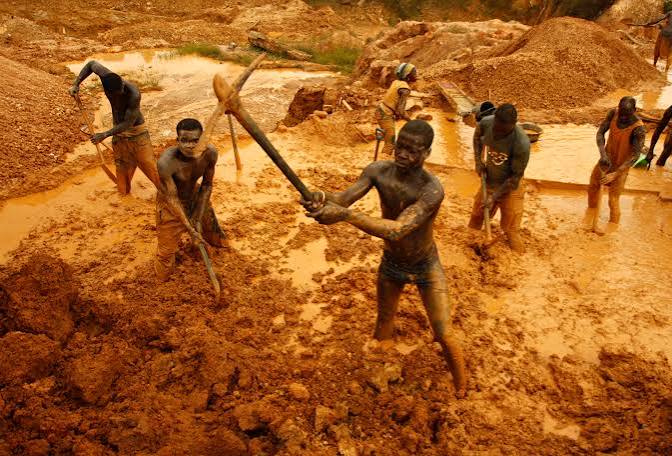
Ghana’s artisanal and small-scale gold sector is on track to produce even more gold in 2026 than its record-breaking output in 2025, according to the Ghana Gold Board (GoldBod), underscoring the growing importance of the industry to the country’s economy.
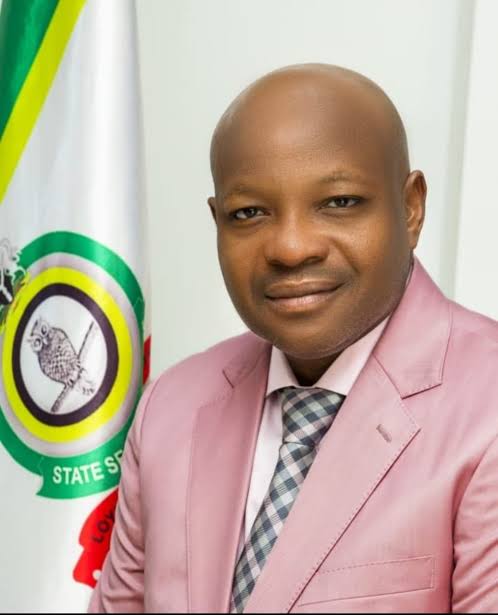
GoldBod Chief Executive Sammy Gyamfi said production from licensed small-scale miners is expected to exceed last year’s record as the government intensifies efforts to formalize the sector, improve regulation, and curb gold smuggling. He noted that stronger oversight has encouraged more miners to operate legally while increasing the amount of gold sold through official channels.
The Gold Board, established to regulate and oversee Ghana’s gold trade, has introduced reforms aimed at boosting transparency, ensuring miners receive fair prices, and maximizing foreign exchange earnings from gold exports. Authorities believe the measures will strengthen confidence in the sector while helping the government capture greater value from one of the country’s most important natural resources.
Artisanal and small-scale mining accounts for a significant share of Ghana’s total gold production and provides livelihoods for hundreds of thousands of people. However, the sector has also faced criticism over illegal mining, commonly known as galamsey, which has caused widespread environmental damage, including pollution of rivers, destruction of forests, and degradation of farmland. The government says ongoing reforms are designed to promote responsible mining practices while reducing illegal operations.
Ghana remains Africa’s leading gold producer, with gold serving as the country’s largest export and a key source of foreign exchange. Officials are optimistic that higher artisanal production, combined with stronger regulation and improved market access, will further support economic growth and reinforce the country’s position as a major player in the global gold industry.











Leave a comment