


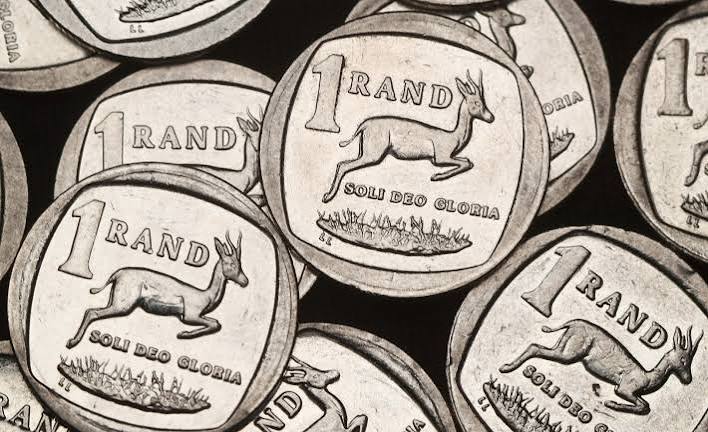
The South African rand traded largely unchanged on Wednesday as investors held back ahead of the release of key U.S. inflation data that could influence expectations for future interest rate decisions by the Federal Reserve and affect global financial markets.
The rand was little changed against the U.S. dollar in early trading as market participants assessed the potential impact of the upcoming inflation figures on the dollar and emerging market currencies. Stronger-than-expected U.S. inflation could reduce the likelihood of interest rate cuts, strengthening the dollar and putting pressure on currencies such as the rand. Conversely, weaker inflation data could boost investor appetite for riskier assets, providing support for emerging markets.
Investors are also keeping a close watch on domestic economic conditions in South Africa, including inflation, economic growth, and electricity supply, all of which continue to influence confidence in the country’s financial markets. Analysts say the rand remains particularly sensitive to global economic developments because of its status as one of the most actively traded emerging market currencies.
Meanwhile, South Africa’s benchmark government bonds also traded with little movement as investors awaited fresh economic signals before adjusting their positions. Market participants expect trading to remain cautious until the U.S. inflation data provides greater clarity on the Federal Reserve’s policy outlook.
Analysts say the direction of the rand in the coming days will likely depend on both global economic indicators and local developments, with investors balancing international monetary policy expectations against South Africa’s domestic economic prospects.













Leave a comment