


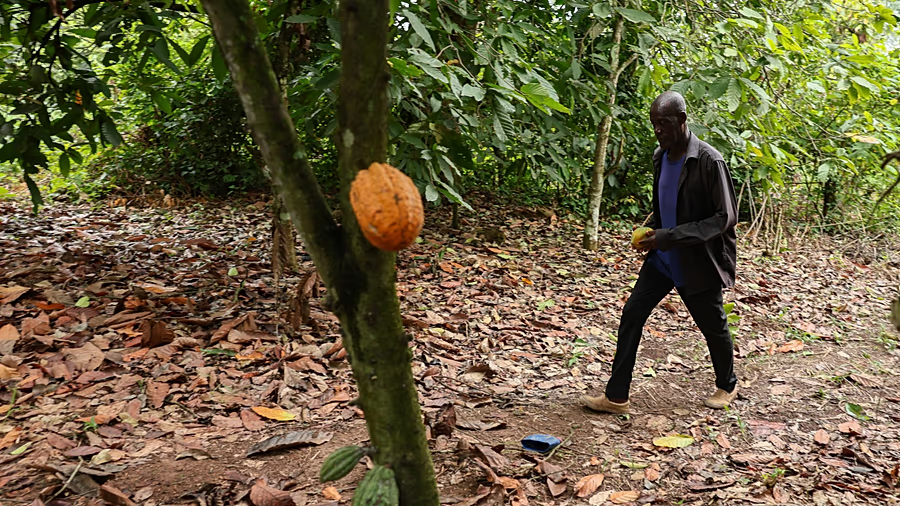
Ghana is proposing stricter penalties, including possible jail terms, for farmers who convert cocoa farmland to other uses without government approval, as authorities seek to protect one of the country’s most important agricultural industries.
Government officials say the proposed measure is intended to curb the loss of cocoa-producing land and safeguard the long-term sustainability of the sector, which remains a major source of export earnings, employment and rural livelihoods.
Under the proposal, farmers would be required to obtain the necessary approvals before repurposing land designated for cocoa cultivation. Authorities argue that the policy is aimed at preventing the unchecked conversion of cocoa farms into residential developments, mining sites and other commercial uses that could reduce national cocoa production.
Ghana is the world’s second-largest cocoa producer, and the crop plays a central role in the country’s economy. The cocoa industry supports millions of farmers and contributes significantly to foreign exchange earnings and the livelihoods of rural communities.
Agriculture experts say preserving cocoa farmland is essential to maintaining production levels amid growing pressures from urban expansion, illegal mining, climate change and aging plantations. They note that the sector also faces challenges including crop diseases, fluctuating global prices and declining productivity.
Some stakeholders have, however, raised concerns about the proposed penalties, arguing that enforcement should be balanced with measures that address the economic realities faced by cocoa farmers. They say improved access to financing, extension services, higher yields and fair producer prices could reduce the incentive for farmers to convert agricultural land to alternative uses.
Development analysts emphasize that protecting agricultural land is critical to ensuring food security, sustaining export revenues and supporting rural development. They add that land-use policies are most effective when accompanied by community engagement, transparent regulation and incentives that encourage sustainable farming practices.
The proposal forms part of Ghana’s broader efforts to strengthen the resilience of its cocoa sector and preserve the country’s position in the global cocoa market. Observers say any new legislation will require careful implementation to balance environmental conservation, economic development and the rights and livelihoods of farming communities.
If adopted, the measures are expected to reinforce government oversight of cocoa-growing areas while promoting the long-term sustainability of one of Ghana’s most valuable agricultural industries.











Leave a comment