



The Federal Government has commissioned major power transmission projects across Apapa, Ijora, Lekki and Alausa, adding significant transformer capacity to the Lagos electricity network and seeking to remove infrastructure constraints that have limited economic activity.
The projects, inaugurated on August 17 and 18, 2026, delivered a combined 840MVA of new transformer capacity across strategic parts of Lagos. The interventions are expected to increase the volume of bulk electricity available to the Eko Electricity Distribution Company (EKEDC) and Ikeja Electricity Distribution Company (IKEDC) for onward supply to industries, businesses and households.
One of the major interventions is the upgrade of the Lekki 330/132/33kV Transmission Substation, located along one of Nigeria’s fastest-growing commercial and industrial corridors. The project includes a 300MVA transmission transformer and two 60MVA transformers, effectively doubling the substation’s transformation capacity at key levels.
The upgrade is particularly significant for the Lekki axis, which has experienced rapid residential, commercial and industrial development. The government says the project will also provide nine new 33kV feeders, improving bulk electricity delivery into the EKEDC network.
At Alausa, a new 100MVA transformer increased the substation’s total capacity from 135MVA to 205MVA. The intervention is expected to provide an additional 80MW of bulk power to the IKEDC franchise area, strengthening supply to businesses and communities around Ikeja.
The Ijora project also represents a major expansion, with the substation upgraded from 90MVA to 230MVA, while the new gas-insulated substation at Apapa is expected to improve bulk electricity supply to the industrial and commercial areas served by EKEDC.
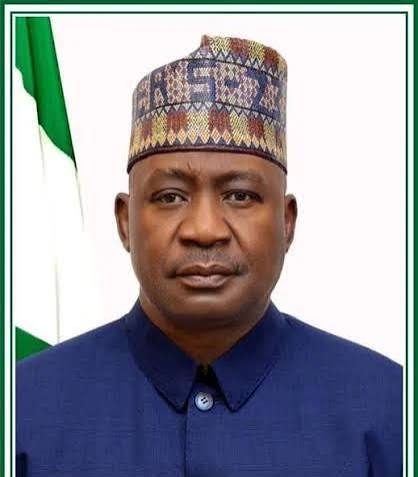
Minister of Power Joseph Tegbe said the projects represent more than the installation of new electrical equipment, describing them as targeted investments intended to create capacity for businesses to expand, industries to increase production and communities to prosper.
The Transmission Company of Nigeria (TCN) said the upgrades would also improve its ability to wheel electricity to distribution load centres and strengthen overall grid stability. The projects were delivered with support from the Japan International Cooperation Agency (JICA) and other development partners.
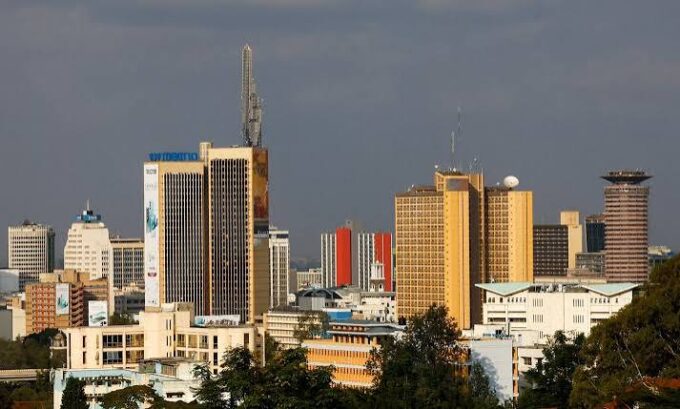
Economists and industry experts say reliable electricity is critical to Lagos’ economic competitiveness. Businesses that currently depend heavily on diesel and petrol generators could reduce operating costs if grid supply becomes more dependable, potentially freeing resources for expansion, employment and investment.
The impact could be particularly significant for manufacturing, logistics, technology, retail and other energy-intensive businesses operating across Lagos’ major economic corridors.
However, experts caution that increasing transmission capacity alone will not solve Nigeria’s electricity challenges. Sustained improvements will also require adequate power generation, stronger distribution networks, effective maintenance, metering and measures to protect transmission infrastructure from vandalism.
If effectively integrated across the electricity value chain, the new Lagos transmission capacity could help transform improved power availability into increased industrial output, lower business costs and greater investment making electricity infrastructure an important driver of the state’s and Nigeria’s wider economic growth.








Leave a comment