


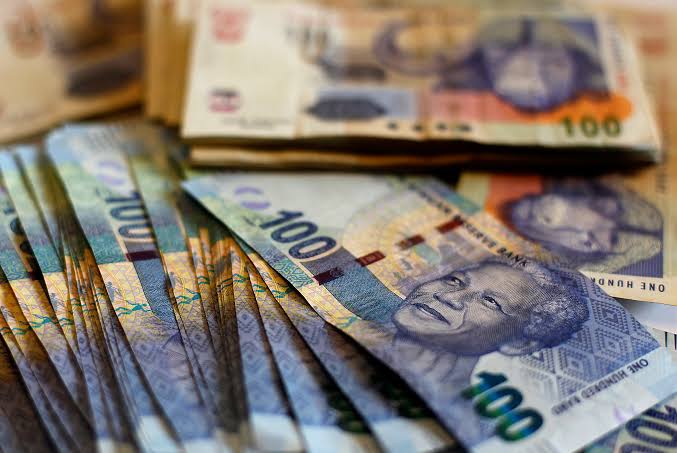
South Africa’s rand weakened against the U.S. dollar after the country’s latest data showed a decline in foreign exchange reserves, raising concerns about the nation’s external financial position. The South African Reserve Bank reported that gross foreign reserves fell during the previous month, reflecting changes in valuation and foreign currency holdings. The drop in reserves contributed to a more cautious mood among investors, putting pressure on the local currency.
The rand, which is often regarded as one of the most volatile emerging market currencies, also came under pressure from broader global market uncertainty. Investors continued to monitor international economic developments, including expectations for U.S. interest rate policy and global trade conditions, both of which have influenced demand for risk sensitive assets such as the rand.
Economists noted that while the decline in reserves is not necessarily a sign of immediate financial stress, it could limit the central bank’s flexibility in responding to periods of heightened market volatility. They added that movements in commodity prices, capital flows, and investor confidence will remain key factors influencing the rand’s performance in the coming weeks.
Market participants are also keeping a close watch on South Africa’s domestic economic outlook, including inflation trends, fiscal policy, and electricity supply challenges, all of which continue to affect investor sentiment. Any improvement in these areas could help support the currency, while renewed economic or political uncertainty may place additional downward pressure on the rand.
Despite the latest decline, analysts believe the rand’s direction will continue to depend largely on global financial conditions and South Africa’s economic fundamentals. Investors are expected to remain cautious as they await further economic data and signals from major central banks, particularly the U.S. Federal Reserve, which could influence capital flows into emerging markets.













Leave a comment