


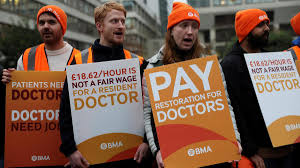
Doctors across England have launched a six-day strike after overwhelmingly rejecting the government’s latest pay and workforce proposals, marking one of the most significant industrial actions in the country’s healthcare sector in recent years.
The industrial action, organized by the British Medical Association (BMA), comes amid growing frustration over what doctors describe as “unsustainable workloads, stagnant pay, and chronic staff shortages” in the National Health Service (NHS). Hospitals and clinics are expected to operate with significantly reduced services during the strike period, impacting routine appointments and elective procedures.
In a statement, the BMA said members “cannot continue to work under conditions that compromise patient care and staff wellbeing” and urged the government to return to negotiations with a meaningful offer on pay and workforce planning.
The government has expressed regret over the strike but defended its proposals, emphasizing budgetary constraints and the need to ensure long-term sustainability of the NHS. Officials warned that disruption could affect tens of thousands of patients, urging the public to plan ahead for delayed appointments or treatment.
Healthcare analysts note that the strike underscores deep structural challenges within the NHS, including recruitment and retention issues, rising patient demand, and pressures from post-pandemic backlogs. Many senior doctors have argued that without improved pay and workforce measures, the NHS risks losing skilled staff to other sectors or overseas healthcare systems.
Emergency and urgent care services are expected to continue during the strike, but non-critical surgeries, routine check-ups, and outpatient services will likely face delays. Hospitals are implementing contingency plans, including deploying senior staff and temporary hires where possible, to mitigate the impact on patient care.
The strike is expected to dominate public debate in the coming week, as policymakers, unions, and hospital administrators grapple with how to resolve the dispute while maintaining essential health services. Observers say the outcome may set a precedent for other healthcare professions considering industrial action over pay and working conditions.









Leave a comment