


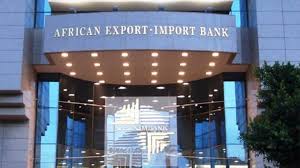
The African Export-Import Bank (Afreximbank) has announced a $10 billion support package aimed at helping countries in Africa and the Caribbean mitigate the economic fallout from the escalating conflict in the Middle East.
The initiative is designed to provide critical financial support to governments and businesses grappling with rising energy costs, supply chain disruptions, and heightened market volatility triggered by the crisis involving Iran and its regional implications.
According to the bank, the facility will focus on stabilizing trade flows, supporting foreign exchange liquidity, and ensuring continued access to essential imports such as fuel, food, and industrial inputs. The funding is also expected to assist countries facing balance of payments pressures due to higher import bills and reduced export revenues.
Afreximbank said the program will include a mix of trade finance, credit lines, and emergency liquidity support, tailored to the needs of member states and private sector operators. The goal is to prevent economic shocks from cascading into broader financial instability across vulnerable economies.
Analysts note that many African and Caribbean countries are particularly exposed to external shocks due to their reliance on imported energy and limited fiscal buffers. The surge in oil prices and shipping costs, especially disruptions linked to the Strait of Hormuz, has intensified inflationary pressures and strained public finances.
The bank emphasized that the intervention is proactive, aiming to build resilience and maintain economic momentum despite global uncertainty. It also aligns with Afreximbank’s broader mandate to promote intra African trade and reduce dependence on external markets.
Officials added that the facility could be scaled up if the conflict persists or worsens, signaling readiness to respond to evolving risks in the global economic landscape.
The announcement underscores the growing role of regional financial institutions in managing external shocks and supporting economic stability in developing regions amid increasingly volatile geopolitical conditions.












Leave a comment