


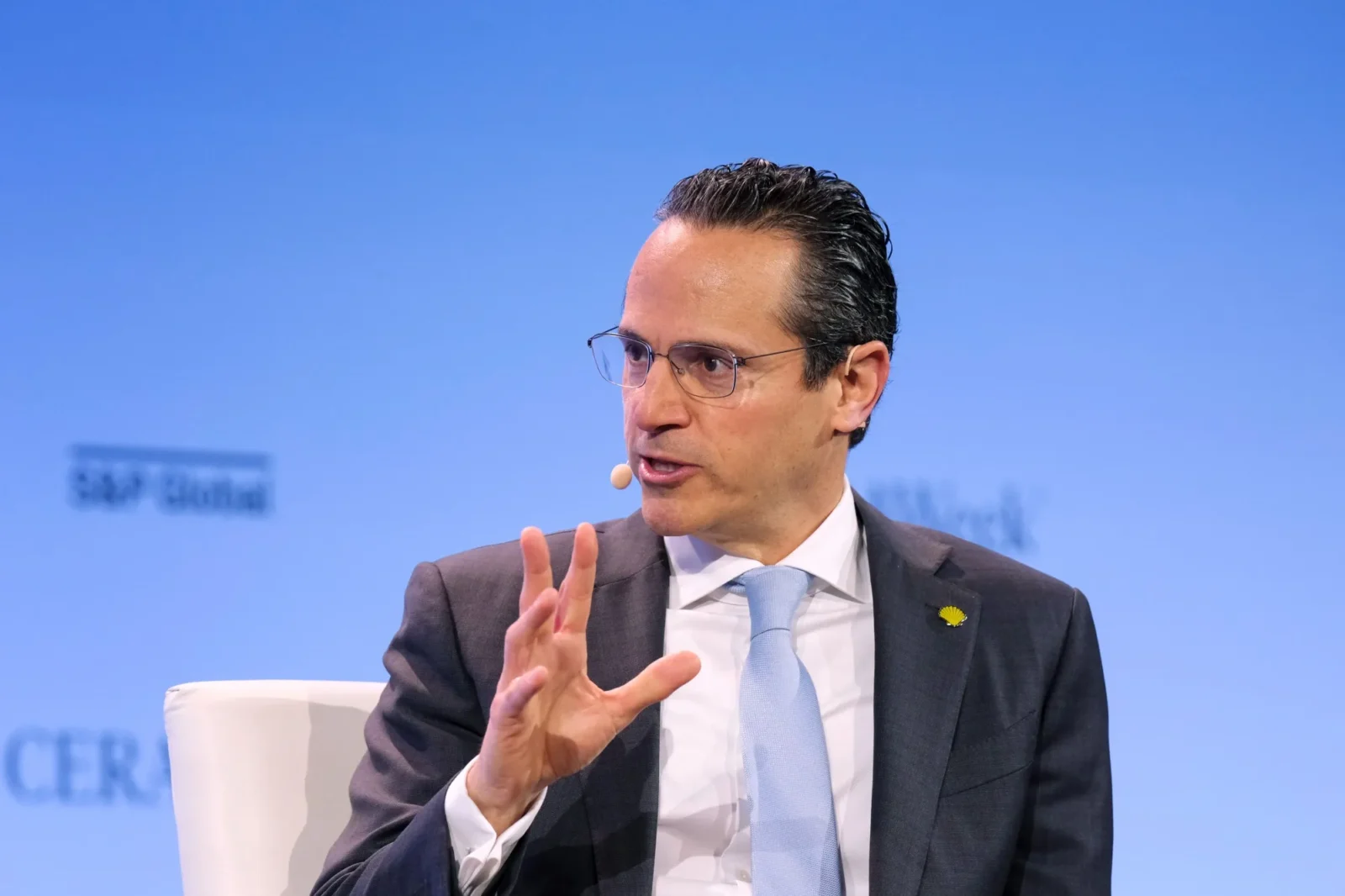
Shell’s Chief Executive Officer, Wael Sawan, said on Tuesday that the company does not need to buy additional assets anytime soon in order to deliver on its 2030 targets, signaling confidence in the strength of its current portfolio. Back in March, Sawan had projected a gap of between 100,000 and 200,000 barrels-of-oil-equivalent per day by 2030, raising concerns about whether Shell would need to pursue acquisitions or new exploration projects to meet its production goals. However, he noted last week that the company has largely covered that near‑term shortfall, suggesting that Shell’s existing operations and recent developments have put it on track to meet its medium-term objectives without rushing into costly deals.
The longer-term picture, however, presents a more complex challenge. Both Shell and industry analysts have acknowledged that by 2035 the company faces a potential production shortage in the range of 350,000 to 800,000 barrels-of-oil-equivalent per day. This gap is significantly larger than the one projected for 2030 and will require either a major acquisition or a breakthrough in exploration to close. The acknowledgment of this looming shortfall underscores the delicate balance Shell must strike between maintaining financial discipline in the present and preparing for the structural demands of the future energy market.
Sawan’s comments reflect Shell’s cautious approach to growth, emphasizing that the company is not under immediate pressure to expand through acquisitions. Instead, Shell is focusing on optimizing its existing portfolio, improving efficiency, and ensuring shareholder returns. This strategy aligns with a broader industry trend where oil majors are increasingly wary of large-scale acquisitions, preferring to strengthen their balance sheets and invest selectively in projects that align with long-term energy transition goals.
The company’s confidence in meeting its 2030 targets without new purchases highlights the resilience of its current asset base, but the looming 2035 production gap illustrates the challenges of sustaining output in a rapidly evolving energy landscape. As global demand patterns shift and the pressure to transition toward cleaner energy intensifies, Shell’s ability to balance short-term stability with long-term growth will be closely watched by investors and industry observers alike.











Leave a comment