


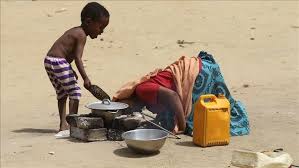
Kenya is facing a growing food crisis after the October-to-December short rains underperformed across much of the country, leaving an estimated 2.1 million people struggling with food and nutritional stress. Authorities warn that immediate interventions are essential to protect vulnerable households and livestock from further hardship.
Deputy President Kithure Kindiki highlighted the severity of the situation, noting that assessments by the Kenya Meteorological Department show 32 counties require sustained support over the next six months. This assistance will include food, nutrition, health services, and livestock support until the March-to-May long rains yield the next harvest.
The most affected areas are in Kenya’s arid and semi-arid lands (ASALs), where rainfall was 30 to 60 percent below average. Water shortages for both people and livestock are becoming critical, and staple food prices have already risen sharply, putting additional pressure on struggling households.
Pastoralists and smallholder farmers are among the hardest hit, with their livelihoods dependent on rain-fed crops and grazing. Malnutrition rates are rising, particularly among children, prompting humanitarian agencies like the Kenya Red Cross to scale up emergency interventions. These efforts include distributing food, cash transfers, water and sanitation aid, and promoting drought-resilient crops.
The government is also taking steps to build resilience through long-term initiatives such as irrigation projects and improved water infrastructure, aiming to reduce dependence on unpredictable seasonal rains. However, the immediate outlook remains fragile, with further food insecurity expected if the shortfall continues into the long rains period.
This crisis underscores the broader challenges posed by shifting climate patterns in East Africa, where prolonged dry spells increasingly threaten food security, livelihoods, and community well-being. Coordinated government action and sustained humanitarian support will be crucial to prevent the situation from worsening and to safeguard millions of Kenyans from hunger and malnutrition.













Leave a comment