


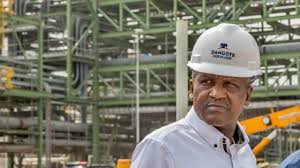
Nigeria’s richest man, Aliko Dangote, has intensified his public dispute with regulators, accusing them of allowing the continued importation of cheap fuel in a way that threatens local refining, jobs and the country’s long term energy security. Speaking on Sunday at his 650,000 barrel per day refinery in Lagos, Dangote said policy decisions were effectively stifling domestic industrial capacity at a critical moment for Nigeria’s economy.
Nigeria is Africa’s largest oil producer, yet for decades it has depended heavily on imported refined petroleum products due to the poor state of its local refineries. The Dangote Refinery, the largest single train refinery in the world, was built to reverse this dependence, save foreign exchange and position Nigeria as a net exporter of refined fuels across Africa.
Dangote argued that allowing large volumes of imported fuel into the Nigerian market undermines that goal. According to him, the practice discourages investment in local refining and creates an uneven playing field where domestic producers struggle to compete with subsidised or under priced imports.
He warned that if the situation continues unchecked, it could lead to job losses, reduced investor confidence and increased vulnerability in Nigeria’s energy supply chain. Dangote said such policies export jobs and economic value to other countries, while Nigeria continues to battle unemployment and slow industrial growth.
Standing inside the sprawling refinery complex, Dangote described the issue as more than a commercial dispute. He framed it as a national development concern, saying imports were being used “to checkmate domestic potential” at a time when Nigeria should be prioritising value addition, industrialisation and self sufficiency.
The refinery, which has begun producing fuel, diesel and aviation products, was expected to significantly cut Nigeria’s fuel import bill and stabilise supply. Dangote has previously said the plant has the capacity to meet domestic demand and still export to regional and international markets.
His comments reflect growing tensions between private sector investors and regulators over Nigeria’s energy transition and fuel market reforms. Analysts say the dispute highlights deeper structural challenges, including policy consistency, pricing frameworks and the balance between liberalisation and protection of local industry.
For Dangote, the message was clear. Without supportive policies that favour domestic production, Nigeria risks missing a historic opportunity to transform its oil wealth into sustainable industrial growth.
Nigeria’s richest man, Aliko Dangote, has intensified his public dispute with regulators, accusing them of allowing the continued importation of cheap fuel in a way that threatens local refining, jobs and the country’s long term energy security. Speaking on Sunday at his 650,000 barrel per day refinery in Lagos, Dangote said policy decisions were effectively stifling domestic industrial capacity at a critical moment for Nigeria’s economy.
Nigeria is Africa’s largest oil producer, yet for decades it has depended heavily on imported refined petroleum products due to the poor state of its local refineries. The Dangote Refinery, the largest single train refinery in the world, was built to reverse this dependence, save foreign exchange and position Nigeria as a net exporter of refined fuels across Africa.
Dangote argued that allowing large volumes of imported fuel into the Nigerian market undermines that goal. According to him, the practice discourages investment in local refining and creates an uneven playing field where domestic producers struggle to compete with subsidised or under priced imports.
He warned that if the situation continues unchecked, it could lead to job losses, reduced investor confidence and increased vulnerability in Nigeria’s energy supply chain. Dangote said such policies export jobs and economic value to other countries, while Nigeria continues to battle unemployment and slow industrial growth.
Standing inside the sprawling refinery complex, Dangote described the issue as more than a commercial dispute. He framed it as a national development concern, saying imports were being used “to checkmate domestic potential” at a time when Nigeria should be prioritising value addition, industrialisation and self sufficiency.
The refinery, which has begun producing fuel, diesel and aviation products, was expected to significantly cut Nigeria’s fuel import bill and stabilise supply. Dangote has previously said the plant has the capacity to meet domestic demand and still export to regional and international markets.
His comments reflect growing tensions between private sector investors and regulators over Nigeria’s energy transition and fuel market reforms. Analysts say the dispute highlights deeper structural challenges, including policy consistency, pricing frameworks and the balance between liberalisation and protection of local industry.
For Dangote, the message was clear. Without supportive policies that favour domestic production, Nigeria risks missing a historic opportunity to transform its oil wealth into sustainable industrial growth.







Leave a comment