


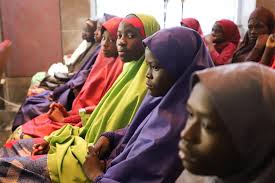
Security analyst Bulama Bukarti has raised serious concerns over the Nigerian government’s failure to adequately protect schoolchildren, following the most recent wave of mass kidnappings that has once again shaken the nation. Speaking in response to the latest attack, Bukarti said the incident underscores a persistent absence of decisive and coordinated action to secure learning environments, especially in regions vulnerable to armed groups.
Nigeria has witnessed repeated abductions of schoolchildren over the past decade, with attackers often targeting rural boarding schools where security infrastructure is limited. Despite numerous promises and large-scale operations announced by successive administrations, the cycle of attacks has continued, leaving parents fearful and communities traumatised.
Bukarti noted that the latest kidnapping follows a pattern that has become all too familiar. Armed groups carry out raids with little resistance, overwhelm local security forces, and escape with dozens of young victims. He stressed that the predictability of these attacks, coupled with the government’s apparent inability to deter them, reflects a troubling level of institutional weakness.
He added that the lack of accountability for past kidnappings has emboldened the perpetrators. Many groups involved in the crimes have faced no consequences, creating an environment where schools have become soft targets for ransom-driven abductions. According to Bukarti, unless the federal and state governments move beyond reactive measures and establish a comprehensive strategy that strengthens security, intelligence gathering, and community collaboration, the crisis will persist.
The impact of the kidnappings extends far beyond the immediate victims. In many regions, parents have withdrawn their children from school out of fear, further deepening educational inequality in a country where millions of children are already out of school. Teachers have also reported heightened anxiety, reduced attendance, and learning disruptions that will have long-term consequences for national development.
Bukarti emphasised that Nigeria cannot afford to normalize such violence. He urged the government to demonstrate stronger political will, invest in long-term security reforms, and ensure that both schools and surrounding communities receive the protection they urgently need. Without firm and sustained intervention, he warned, attacks on Nigeria’s most vulnerable—its children—will continue to erode public trust and undermine the stability of the nation.










Leave a comment