


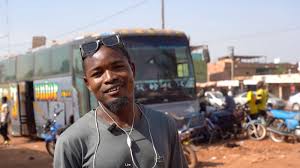
In Mali’s capital, Bamako, the once-bustling streets filled with car engines and honking horns have fallen eerily silent. Instead, the city now echoes with the sound of shuffling feet and the rumble of empty motorcycles being pushed through dusty roads. For more than two months, Mali has been trapped in a crippling fuel blockade that has brought daily life to a standstill, creating one of the worst economic and humanitarian crises the country has faced in years.
The crisis stems from a wave of attacks by Jama’at Nusrat al-Islam wal-Muslimin (JNIM), an al-Qaeda-linked jihadist group that has expanded its insurgency to target the country’s fuel supply lines. The group has torched over 100 fuel trucks, kidnapped drivers, and disrupted vital supply chains that deliver petrol and diesel into the landlocked nation. With Mali relying heavily on fuel imports from neighboring countries like Senegal and Ivory Coast, the blockade has effectively choked the nation’s transport, electricity, and logistics sectors.
The impact on ordinary Malians has been devastating. Petrol stations across Bamako are either closed or display handwritten signs reading “No fuel today.” Long queues of vehicles stretch for miles, with some drivers waiting four days or more just to fill their tanks. Taxi driver Sidi Djiré, who has been stranded for days, told the BBC, “We’re here waiting for fuel, and we’ve been here for more than four days now. Whether you’re a vendor or a teacher, everyone’s work has been affected.”
With transport costs skyrocketing, public bus fares have tripled, forcing many residents to walk long distances to work. Delivery and bus drivers have resorted to sleeping at petrol stations, hoping to be first in line when scarce supplies arrive.
At Bamako’s Baco Djicoroni market, traders like Assitan Diarra say food prices have tripled due to rising transport costs and dwindling supplies. “Times are really tough right now. But what can we do? We are at war,” she said, clutching her basket of goods. “We pray that God brings ease and peace to our country.”
The situation has escalated to the point where schools and universities were forced to close for weeks, hospitals face power outages, and emergency services struggle to operate. The Kalaban Coro Health Centre reports that diesel shortages are making it nearly impossible to run generators for extended periods. “Our personnel must be prompt and punctual, but it has become extremely difficult for them to secure fuel just to commute to work,” said Dr. Issa Guido.
The blockade marks a strategic shift in JNIM’s tactics. The group, which has waged a deadly insurgency for years, now appears to be engaging in economic warfare—targeting Mali’s arteries of trade and transport to weaken the military-led government. Since seizing power five years ago, the junta had promised to restore stability and crush insurgent movements. Yet, despite deploying thousands of troops, vast swathes of northern and eastern Mali remain ungovernable and under militant influence.
Mali’s government has scrambled to respond, deploying army convoys to escort fuel tankers from border regions into Bamako. However, the operations are fraught with danger, and some convoys have been ambushed despite heavy military protection.
In a bid to find relief, the government has signed an emergency fuel supply deal with Russia, seeking both refined petroleum and technical assistance to secure transport routes. State media claims the situation is “under control,” but critics accuse the junta of reacting too slowly and failing to anticipate the crisis.
International concern is growing rapidly. The United States has advised citizens not to travel to Mali, while France has urged its nationals to leave the country. The deepening fuel shortage has not only exposed Mali’s vulnerability but also highlighted the militants’ ability to cripple national infrastructure and undermine government authority.
For millions of Malians, the crisis is now part of daily life a battle for survival where fuel, food, and transport have become luxuries. The empty streets of Bamako, once alive with music, markets, and movement, now stand as a haunting symbol of a nation under siege, struggling to keep its engines and its hopes running.








Leave a comment