


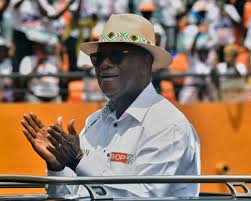
Political tension is gripping Ivory Coast as President Alassane Ouattara formally declares his intention to run for a fourth term in the upcoming October 25 presidential election. The 83-year-old leader, who has ruled the country since 2011, insists that the 2016 constitutional reform allows him to contest again, a claim that has sharply divided the nation.
Across the streets of Abidjan and other major cities, frustration and uncertainty are growing. Supporters of the ruling party praise Ouattara’s record in stabilizing the economy and overseeing impressive infrastructure growth. But opposition voices and civil society groups say his move undermines democracy and threatens to push the country back into political unrest.
The election body has disqualified several key opposition figures, including former Credit Suisse chief Tidjane Thiam, citing dual nationality issues and prior convictions. Critics say this has left the race unfairly tilted in favor of the incumbent. Demonstrations have erupted in places such as Yopougon, where thousands marched to protest the decision, calling it an assault on democratic principles.
The mood in the country is tense but familiar. Memories of the 2010-2011 post-election crisis, which claimed over three thousand lives, remain fresh in the minds of Ivorians. Many fear that history could repeat itself if dialogue and fairness do not prevail.
Despite the rising tension, Ouattara’s supporters argue that his continued leadership ensures economic stability in a region already rattled by coups and political transitions. Ivory Coast remains the world’s largest cocoa producer and one of West Africa’s most stable economies, but uncertainty surrounding this election has already rattled investors and drawn international concern.
Regional observers warn that Ouattara’s decision could deepen a worrying trend across West Africa, where leaders are extending their rule through constitutional changes. The move echoes similar developments in Guinea and Togo, raising questions about the future of term limits and democratic transitions on the continent.
As election day draws closer, Ivorians find themselves at a crossroads — torn between the promise of continuity and the demand for change. Whether the country can maintain peace through this turbulent period will depend on how leaders, opposition parties, and citizens navigate the tense days ahead







Leave a comment