


Despite being banned in South Africa, psychedelic drugs like psilocybin and MDMA are increasingly being used by self-styled healers and shamans in Cape Town, who claim they can help people overcome depression, trauma, and addiction. Their popularity is growing fast, even though anyone convicted of commercially using these substances faces up to 25 years in prison or a hefty fine.
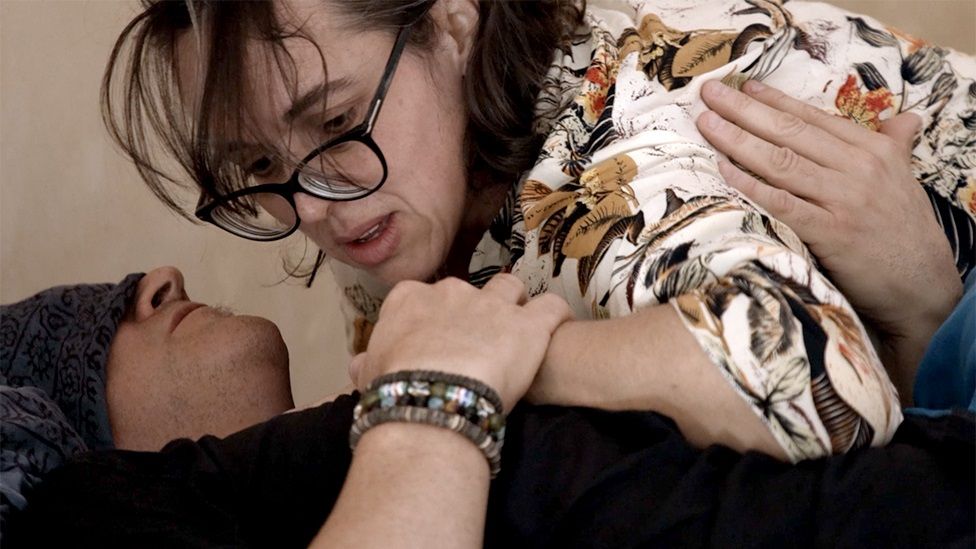
Photographer Stuart Dods, 53, is among those turning to these underground treatments. In a secluded wooden cabin on the outskirts of Cape Town, he undergoes his second psychedelic ceremony led by “medicine woman” Megan Hardy, who charges around $2,000 (£1,500) for a guided session. The fee includes accommodation, psilocybin (magic mushrooms), MDMA (ecstasy), and a range of spiritual “support services.”
Dods says he turned to psychedelics after the sudden death of his mother and the end of a long-term relationship left him struggling with mental health challenges. “Mum passed away suddenly, so that was a hell of a thing. And then my ex broke off a year after mum died. That’s when the rug got pulled out a little bit,” he tells the BBC.
During the ceremony, Hardy and her colleague Kate Ferguson, neither of whom have formal medical training, also take smaller doses of the drugs. They perform chants, burn herbs, and use bird wings in what they describe as “energy cleansing.” Hardy insists that she takes the substances to “move into the same frequencies” as her clients, calling her work “righteous civil disobedience.”
When asked what qualifies her to decide the right dosage, Hardy says she has learned through personal experimentation: “I tested it on myself over the years—learning what works in what situation.”
While Dods insists he was never coerced into taking additional doses during the trip, mental health professionals are deeply concerned about the lack of medical oversight. Dr Marcelle Stastny, convenor of the South African Society of Psychiatrists, warns that people under the influence cannot give informed consent: “If a person has already had psilocybin and MDMA, they aren’t in touch with reality. They’re intoxicated, they’re high.”
She says such unregulated sessions can lead to serious “boundary violations” and long-term psychological harm.
Globally, scientific research into psychedelics is accelerating. A major 2022 study found that synthetic psilocybin could improve symptoms of depression when administered under medical supervision. However, a 2025 review by the European Medicines Agency concluded that more evidence was needed before approval, warning of risks such as elevated heart rate, blood pressure, and anxiety when not used in controlled environments.
Still, the underground psychedelic scene in South Africa is thriving, with online ads for “guided healing journeys” multiplying. Psychiatrist Dr Stastny calls it a “huge problem,” particularly in Cape Town. “People are lost and disconnected. Everybody’s looking for a pill to fix everything—and there simply isn’t one.”
Not all stories end safely. Cape Town healer Sonette Hill once administered Ibogaine, a potent African plant-based psychedelic, to a client who turned violent mid-session. “He grabbed me by my throat. He wanted to kill me,” she recalls. Ibogaine is banned in South Africa except under strict medical supervision, but Hill faced no charges. She has since stopped administering psychedelics but still believes they “can heal the world.”
Tragedy struck again when 26-year-old Milo Martinovic, seeking addiction treatment, died after being given Ibogaine at an unregistered clinic run by a dentist. The dentist, Dr Anwar Jeewa, was convicted of culpable homicide in 2024 after it was revealed that Martinovic was addicted to Xanax—a dangerous combination with Ibogaine.
“These substances can’t just be called medicine,” says Dr Stastny. “I’ve seen patients who remain psychologically dissociated long after a psilocybin trip.”
As the underground psychedelic wellness movement grows, experts warn of a dangerous gap between spiritual enthusiasm and scientific safety. Yet, despite the risks, many like Stuart Dods remain convinced they’ve found something powerful.
“I wanted more self-awareness and to understand myself,” Dods says after his latest journey. “I can feel that it’s opening things up. I’ll probably do another one.”



Leave a comment