


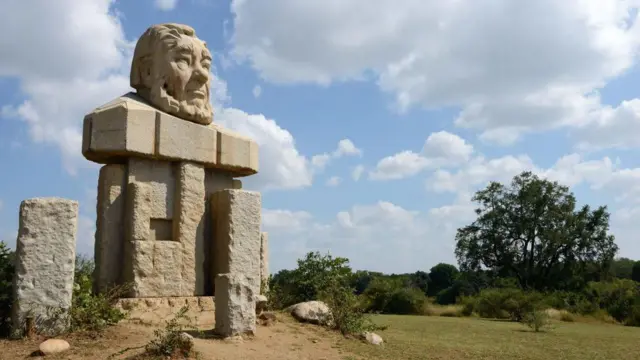
South Africa’s iconic Kruger National Park, one of the world’s most famous wildlife destinations, could soon be known by a different name if a proposal from local politicians gains traction. Originally called the Sabi Game Reserve before being renamed in 1926 to honour Paul Kruger, a 19th-century president of the South African Republic, the park’s name has become the centre of a heated national debate about heritage, identity, and economics.
For Afrikaners, Paul Kruger is celebrated as a national hero who resisted British colonialism. But for many South Africans, he represents a painful legacy of racial exclusion and dispossession of Black Africans. Since the end of apartheid in 1994, numerous cities, streets, and landmarks have been renamed to reflect a new democratic identity, and supporters of this latest proposal argue that Kruger’s name should also be removed as part of that broader transformation.
However, critics warn that renaming the park could have far-reaching consequences. Kruger National Park is a cornerstone of South Africa’s tourism industry, drawing nearly one million visitors annually who come to see its elephants, lions, leopards, and rhinos. Tourism experts fear that a name change could damage the park’s global brand, reduce visitor numbers, and hurt an already struggling economy where unemployment exceeds 30%.
The proposal was introduced by the opposition Economic Freedom Fighters (EFF) in Mpumalanga province during Heritage Month. The EFF argued that keeping Kruger’s name celebrates the country’s colonial and segregationist past. Yet, their suggested replacement, Skukuza—the Tsonga nickname of the park’s first warden, James Stevenson-Hamilton—has also drawn backlash. The term, meaning “he who sweeps clean,” was linked to the forced removal of Black communities from the park’s land in its early years. The EFF has since admitted that it may have to reconsider the name after consulting displaced land claimants.
Afrikaner civil rights group AfriForum strongly condemned the EFF’s move, calling it “cheap politics” and vowing legal action if the process bypasses national regulations. They argue that Kruger’s vision helped establish the park and that erasing his name distorts history.
Despite the provincial legislature adopting the motion, with backing from the ruling African National Congress (ANC) and uMkhonto weSizwe party, it remains non-binding. Any official change would require approval from the South African Geographical Names Council (SAGNC) and the national Department of Sports, Arts and Culture. SAGNC chairperson Dr. Nkadimeng Mahosi has stressed that the Mpumalanga vote does not comply with national law, describing it as “political point-scoring.”
Tourism management expert Prof. Elmarie Slabbert warned that a rebrand could “dilute the international recognition” of the park, with significant financial implications. She acknowledged the importance of honouring indigenous heritage but emphasized that resources should instead tackle unemployment and poverty.
South Africa has seen several notable name changes in recent years, including Port Elizabeth becoming Gqeberha, King William’s Town renamed Qonce, and Jan Smuts Airport now known as OR Tambo International Airport. While these renamings have often sparked public debate, they are viewed by many as essential steps toward healing the wounds of colonialism and apartheid.
Still, the case of Kruger National Park underscores how deeply divided South Africans remain over how to reconcile their past with the future. Even if the proposal advances through the country’s lengthy bureaucratic process, experts believe it will take years before the name “Kruger” disappears from maps and tourism brochures—if it ever does.




Leave a comment