


The Government of Zimbabwe has announced the development of a National Media and Information Literacy Policy aimed at combating misinformation, promoting responsible digital engagement, and fostering a society equipped with critical thinking skills.
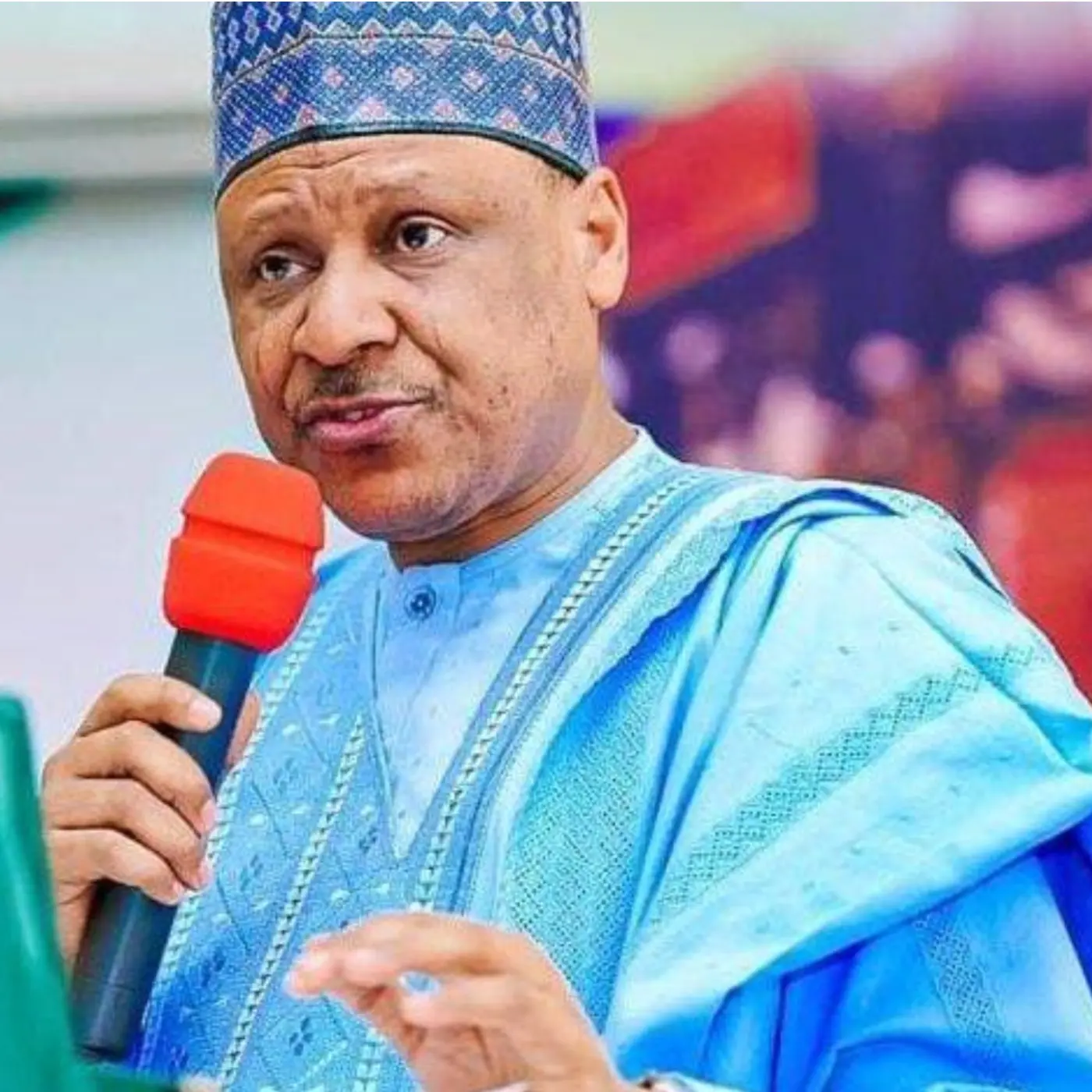
Jonathan Gandari, Chief Director for Government Messaging and Programmes in the Ministry of Information, Publicity and Broadcasting Services, revealed this initiative during a two-day Media and Information Literacy Policy Validation Workshop organized by the Zimbabwe Media Commission (ZMC) in Bulawayo.
According to Gandari, building a media-literate society is essential to Zimbabwe’s progress. He emphasized that misinformation poses serious risks not only to national security but also to economic growth and social well-being. The upcoming policy, he said, will empower citizens to distinguish between facts, propaganda, and harmful content.
“This is about creating a new generation of citizens who think critically, who click wisely, and who can see through disinformation and lies,” Gandari said, stressing that the Fourth Industrial Revolution has transformed how people consume and interact with information.
The policy is also tied to Zimbabwe’s National Development Strategies (NDS 1 and NDS 2), which set the vision of transforming the country into an upper-middle-income economy by 2030. Gandari explained that a knowledgeable and well-informed society is the foundation for building a vibrant economy. Without widespread media and information literacy, he warned, sustainable economic transformation would remain out of reach.
He further linked the initiative to Zimbabwe’s participation in the African Peer Review Mechanism under the African Union, which places strong emphasis on governance and economic growth. “Zimbabwe is open for business, and in line with the President’s philosophy, we must build this nation with our own hands step by step, brick by brick, stone upon stone,” he added.
Gandari also highlighted real-world dangers associated with misinformation, pointing to cases such as human trafficking, job recruitment scams, and online fraud that often prey on vulnerable groups including students, job seekers, and patients. By developing this policy, the government hopes to protect citizens from exploitation while creating an informed and responsible digital culture.
The framework will draw inspiration from global best practices, with UNESCO guidelines serving as a reference point. Stakeholders across sectors are expected to contribute to shaping the policy, ensuring that it reflects both Zimbabwe’s local realities and international standards.
With this step, Zimbabwe positions itself as one of the African countries actively seeking to create a safer, smarter, and more digitally literate society as part of its Vision 2030 agenda.











Leave a comment