


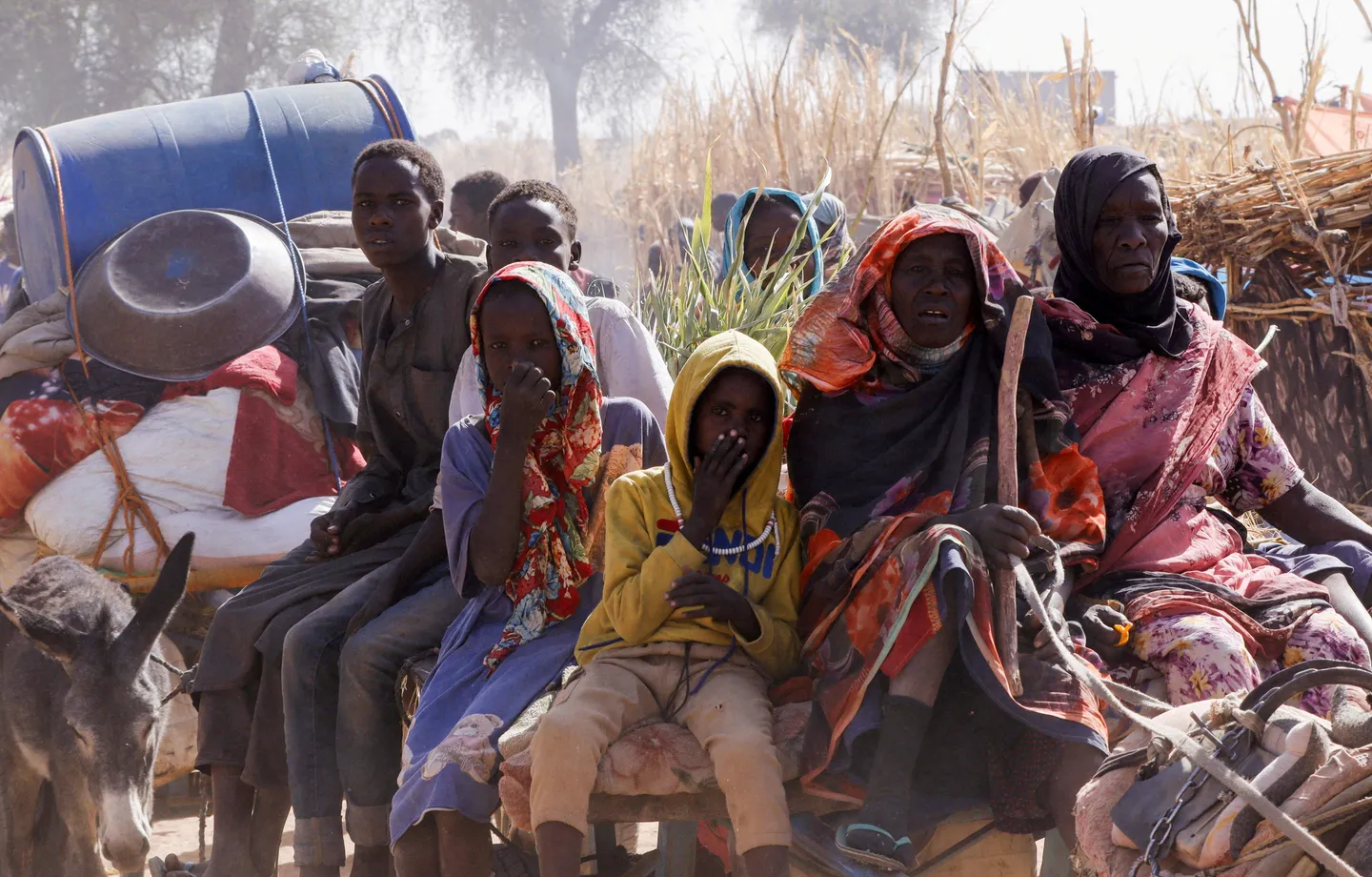
Uganda is on the brink of hosting over 2 million refugees by the end of 2025, as ongoing conflicts in Sudan, South Sudan, and the Democratic Republic of Congo (DRC) continue to force hundreds of people to flee into the country daily. An average of 600 people are arriving each day in what has become one of the most significant humanitarian challenges in the region, further complicated by an alarming shortage of funding.
As of August 2025, Uganda, already Africa’s largest refugee-hosting nation and the third largest globally, shelters approximately 1.93 million refugees, more than half of whom are children. Despite the country’s progressive refugee policies that allow access to work, education, and healthcare, the strain on humanitarian services is becoming unsustainable. Aid agencies report that refugees are only receiving one-third of the essential resources they need annually.
Hamida Ibrahim Amin, a Sudanese refugee who fled from Darfur after her husband died in the conflict, now lives in one of Uganda’s overcrowded settlements with her daughters. “We have nothing, no money, the children are not in school, and they started getting sick,” she shared, describing the increasingly desperate situation.
The UN Refugee Agency (UNHCR) has raised the alarm, warning that emergency funds will run out by September. Dominique Hyde, UNHCR’s Director for External Relations, recently visited settlements in Kiryandongo and observed firsthand the deteriorating conditions. “I’m seeing children that are malnourished and women that are desperate. We don’t have enough water, food, or shelter. The situation has become untenable,” she said.
Uganda’s refugee operations are currently only 25% funded. The crisis is not only affecting UNHCR but also other humanitarian agencies, including the World Food Programme (WFP) and local partners. The lack of resources is contributing to rising child malnutrition, limited access to medicine, and widespread educational disruption. In addition, there has been a sharp increase in gender-based violence and suicide risk among refugee youth, exacerbated by reduced mental health support.
Without immediate and sustained international support, humanitarian actors warn that years of progress could be reversed, putting millions at risk. The Ugandan government’s generosity and commitment to refugee protection remain commendable, but without urgent global funding, the safety net for refugees is collapsing.










Leave a comment