


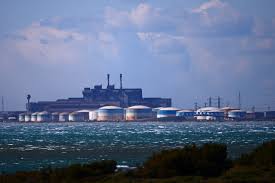
Energy ministers from across the European Union are moving to coordinate a unified response to the economic and energy market disruptions caused by the ongoing Iran conflict, as concerns mount over supply shortages and rising prices.
The ministers are expected to hold urgent discussions via video conference to align strategies and avoid fragmented national responses that could further destabilize energy markets. The push for coordination comes as European gas prices have surged sharply since the conflict began, driven by attacks on energy infrastructure and disruptions to key shipping routes such as the Strait of Hormuz.
Despite reassurances that immediate energy supplies remain stable, officials are increasingly concerned about tightening availability of refined fuels including diesel, jet fuel, and gasoline. Industry leaders have warned that shortages could emerge within weeks if disruptions persist, prompting calls for early action to secure supply chains and stabilize markets.
EU policymakers are considering a range of measures, including coordinated fuel storage strategies, market interventions, and contingency planning to manage potential shortages. Previous discussions have also included the possibility of tapping strategic oil reserves and implementing targeted relief measures to shield consumers and industries from rising costs.
The situation has also triggered broader calls for international cooperation. European leaders, alongside G7 partners, are urging countries to avoid unilateral trade restrictions or export bans that could worsen the global energy crunch and drive prices even higher.
Analysts say the EU’s response will be critical in determining how effectively the region weathers the current energy shock. While Europe is better prepared than during previous crises due to diversified energy sources and increased renewable capacity, its continued reliance on global oil markets leaves it vulnerable to prolonged geopolitical instability.
The coordinated approach reflects lessons learned from past energy crises, with EU officials emphasizing the importance of unity, rapid response, and strategic planning as the conflict continues to reshape global energy dynamics.







Leave a comment