


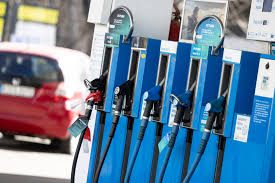
Preliminary data from several German states indicate that inflation in Germany is set to rise at the national level, driven largely by surging energy prices linked to the ongoing Iran conflict.
Figures released from key regions including North Rhine Westphalia, Bavaria, Baden Württemberg, and Lower Saxony show a noticeable uptick in consumer prices in March. Economists now expect Germany’s harmonised national inflation rate to climb to around 2.8 percent, up from roughly 2.0 percent the previous month.
The increase is being fueled primarily by higher oil and gas costs, as geopolitical tensions in the Middle East disrupt supply expectations and push global energy prices upward. Brent crude has surged above 115 dollars per barrel in recent weeks, amplifying inflationary pressures across Europe.
Analysts warn that rising energy costs are beginning to filter through the broader economy, affecting transportation, manufacturing, and household expenses. This could lead to sustained inflationary pressure if the conflict persists, particularly as Germany remains heavily dependent on energy imports.
The inflation outlook is also influencing monetary policy expectations across the euro zone. Policymakers at the European Central Bank are increasingly concerned that prolonged energy shocks could delay progress in stabilizing prices, with markets anticipating potential interest rate hikes later in the year.
Economists note that while the current increase remains moderate compared to previous energy crises, a prolonged escalation in the Middle East could push inflation higher and weigh on economic growth. The situation highlights the vulnerability of European economies to external energy shocks and the broader global impact of geopolitical instability.










Leave a comment