


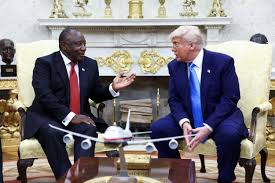
South African President Cyril Ramaphosa has publicly opposed the latest 30% tariff hike imposed on his country by US President Donald Trump, calling the move “unilateral” and “not an accurate representation of available trade data.” The sweeping tariffs, which are set to take effect on 1 August 2025, mark a significant blow to US-South Africa trade relations, especially affecting South Africa’s automobile and agriculture sectors that have long enjoyed duty-free access to the US market under preferential agreements.
South Africa is the only African nation targeted in Trump’s latest tariff announcement, which includes similar measures against 13 other countries. Trump defended the move in a letter to President Ramaphosa, claiming the trade relationship between the two nations “has been, unfortunately, far from reciprocal.” He warned that any retaliatory tariff by South Africa would result in additional duties on top of the proposed 30%, unless Pretoria agreed to open its “heretofore closed trading markets” and remove trade barriers.
The announcement has sent shockwaves across South Africa’s key export industries, with analysts warning of potentially devastating impacts on thousands of jobs, exports, and investor confidence. The United States is South Africa’s second-largest trading partner, with total trade volume exceeding $21 billion annually. Trump’s “reciprocal tariff” policy, aimed at narrowing trade deficits and protecting American industries, has already strained diplomatic ties with countries in Africa, Asia, and Europe.
President Ramaphosa responded firmly, saying the tariff increase ignores the progress made in trade negotiations and does not reflect the structure of the actual trade balance. He noted that over 50% of US goods entering South Africa do so duty-free, while the average tariff on the remainder is just 7.6%, far below the 30% now imposed by the US.
Ramaphosa emphasized that negotiations between US and South African trade teams are ongoing, and that his administration remains committed to achieving a “more balanced and mutually beneficial trade relationship.” The South African president also hinted at using diplomatic and multilateral channels, including the African Continental Free Trade Area (AfCFTA) and World Trade Organization (WTO), to challenge the tariffs if needed.
This is not the first tariff standoff between the two nations. In April, Trump imposed similar 30% tariffs on South Africa, but suspended their enforcement for 90 days following strong pushback and an attempt at renewed dialogue. The new August deadline marks the end of that grace period, and signals Washington’s frustration with what it views as South Africa’s protectionist trade policies.
The situation also comes amid heightened political tensions. Since taking office, Trump has suspended all foreign aid to South Africa, citing allegations of discrimination against the white minority—claims South Africa has strongly denied. Talks in May between the two presidents aimed at mending ties reportedly broke down, with Trump raising controversial and unverified claims about the killing of white farmers in South Africa.
While President Ramaphosa continues to press for diplomacy and dialogue, observers fear the tariffs may trigger broader economic consequences, including retaliatory measures, reduced US investments, and potential disruptions in regional supply chains. The business community in both countries is closely monitoring developments, urging both sides to find common ground before the 1 August deadline.
As trade tensions escalate, South Africa faces the urgent task of navigating an increasingly protectionist global trade environment, balancing national interests with the need to maintain strong international partnerships, particularly with the United States, a key economic partner and global influencer.








Leave a comment