


The U.S. Department of Health and Human Services (HHS) has announced that travelers arriving in the United States from Rwanda within the last 21 days will undergo screening starting next week. This precautionary measure aims to minimize the risk of the virus spreading beyond Rwanda’s borders.
Currently, there are no confirmed cases of Marburg virus disease—an extremely rare and deadly hemorrhagic disease related to Ebola—reported outside Rwanda. Officials have assessed the risk to the U.S. as low; however, HHS has emphasized the importance of public health entry screening, which will commence the week of October 14. This initiative is intended to reduce the potential for imported cases.
In conjunction with these measures, the Centers for Disease Control and Prevention (CDC) has issued a Level 3 Travel Health Notice. This advisory recommends that individuals reconsider any nonessential travel to Rwanda. The CDC is also proactively reaching out to air travelers from Rwanda via automated text messages, providing them with essential information and instructions regarding the outbreak.
As of Monday, the Rwandan Ministry of Health reported 56 confirmed cases of Marburg, with 36 individuals currently in isolation and receiving treatment. Tragically, the outbreak has resulted in 12 deaths, with many affected individuals being healthcare workers, according to CDC reports.
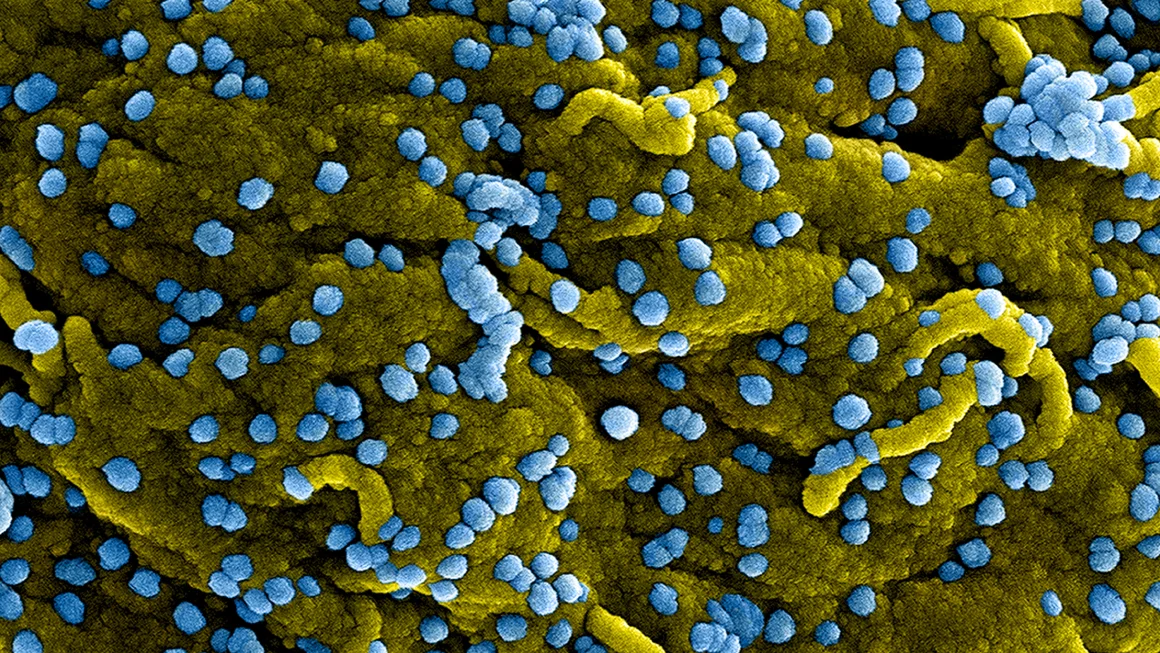
The Marburg virus, classified as an orthomarburgvirus, is primarily found in fruit bats and is in the same family as the Ebola virus. Transmission occurs through direct contact with bodily fluids from an infected person or by handling contaminated clothing or bedding. Unlike the airborne coronavirus responsible for COVID-19, the Marburg virus’s transmission is more straightforward to control, according to health experts.
Symptoms of Marburg can take up to three weeks to manifest after exposure. Initial symptoms typically include fever, rash, severe headaches, and muscle aches. As the illness progresses, patients may experience vomiting and severe bleeding from the nose, gums, and eyes, as well as internal bleeding, which can result in blood in vomit, urine, and stool. The mortality rate for Marburg can be as high as 90%, depending on the severity of the infection.
Currently, there are no specific vaccines or treatments available for Marburg. Supportive care primarily involves rest and rehydration. To aid in the response to the outbreak, both the CDC and the World Health Organization (WHO) have dispatched teams of experts to Rwanda to support local public health efforts.
In a statement, White House National Security Council spokesperson Sean Savett affirmed that the U.S. government is collaborating closely with Rwandan authorities to manage the outbreak. “Since learning of this outbreak, the United States has committed to making nearly $11 million available to address urgent health needs in Rwanda and neighboring countries,” he said. This funding will assist with surveillance, contact tracing, infection prevention, and exit screening at Rwandan airports and border crossings.
Moreover, the U.S. has contributed hundreds of investigational vaccine doses and a small number of therapeutic doses to support Rwandan health officials in their response efforts.
In a recent advisory, the CDC has urged healthcare providers in the U.S. to be vigilant for potential Marburg symptoms in patients with travel histories to the affected areas. Providers are advised to isolate symptomatic patients who are considered high-risk until they test negative for the virus. Travelers heading to outbreak areas are also encouraged to limit visits to healthcare facilities unless urgent medical care is necessary.
As the situation evolves, authorities are taking necessary steps to protect public health and mitigate the potential impact of the Marburg virus outbreak.










Leave a comment