


The Federal Government has said telemedicine must complement, rather than replace, healthcare professionals and physical medical facilities, stressing that compassion, empathy and human interaction remain essential to quality healthcare delivery.
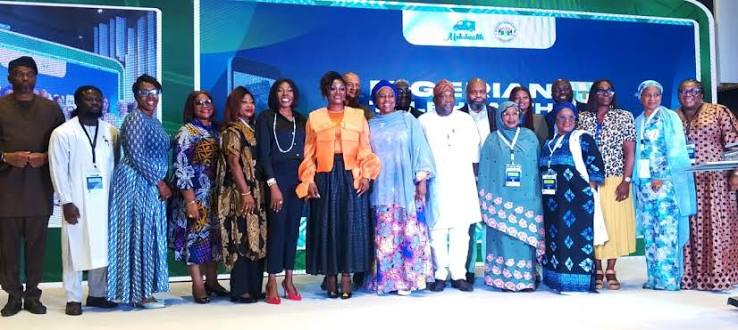
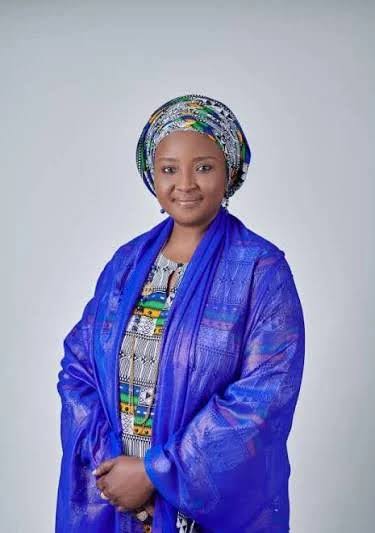
Dr Salma Ibrahim-Anas, Special Adviser to the President on Health, stated this on Tuesday at the Nigerian Telehealth Conference 2.0 in Abuja, organised by Mobihealth International under the theme, “The Future of Healthcare is Connected: Click and Brick.”
Ibrahim-Anas said Nigeria’s healthcare future depended on combining digital technology with professional expertise and physical infrastructure to make services more accessible and affordable.
“The future of healthcare is connected, click and brick,” she said, describing an approach that combines the reach and convenience of digital technology with human care and functioning health facilities.
She said telemedicine could help bridge gaps in maternal, newborn and child healthcare by connecting pregnant women and mothers in underserved communities with medical professionals, specialists and referral services.
“A mother seeking advice about her infant should not be left without appropriate guidance simply because she does not have access to a specialist paediatrician in her community,” she said.
However, the presidential aide cautioned that telehealth could not replace healthcare workers, diagnostic services, essential medicines or emergency care. She urged health professionals to preserve the human connection that supports patient trust, clinical judgment and compassionate treatment.
Ibrahim-Anas identified unreliable electricity, poor internet connectivity, inadequate financing, regulatory gaps, data privacy concerns, cybersecurity risks and limited interoperability among health information systems as challenges that must be addressed before telemedicine can be implemented effectively nationwide.
She also called for inclusive digital health services that reach rural communities, women, persons with disabilities, older people and Nigerians with limited digital literacy.
She urged stakeholders to assess digital health programmes by their impact on patients and health outcomes rather than by the number of platforms launched.
“Our progress must be measured by outcomes rather than by the number of platforms inaugurated,” she said.
Ibrahim-Anas said the proposed Abuja Declaration on Telehealth 2026 should provide practical recommendations, identify institutions responsible for implementation and establish realistic steps for expanding access to remote healthcare.
Earlier, Funmi Adewara, founder and chief executive officer of Mobihealth International, said Nigeria had reached an important stage in developing the policy and regulatory frameworks required to expand telemedicine.
Adewara said digital technology should connect patients with professionals, communities with hospitals, pharmacies with prescriptions, laboratories with clinicians, and primary healthcare centres with specialist services.
World Health Organization Country Representative and Head of Mission to Nigeria, Dr Pavel Ursu, also stressed the importance of building connected health systems that use digital technology to deliver measurable improvements in healthcare access and outcomes.
The conference brought together health professionals, policymakers, technology experts and development partners to discuss ways to expand telehealth and support Nigeria’s progress towards universal health coverage.











Leave a comment