


The United Kingdom, the Federal Government and participating state governments are seeking private sector investment in small hydropower projects to expand electricity access, support rural industrialisation and improve power supply to underserved communities.
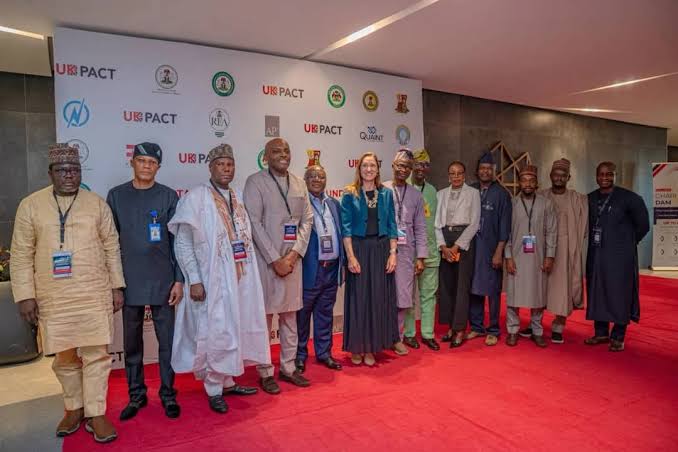
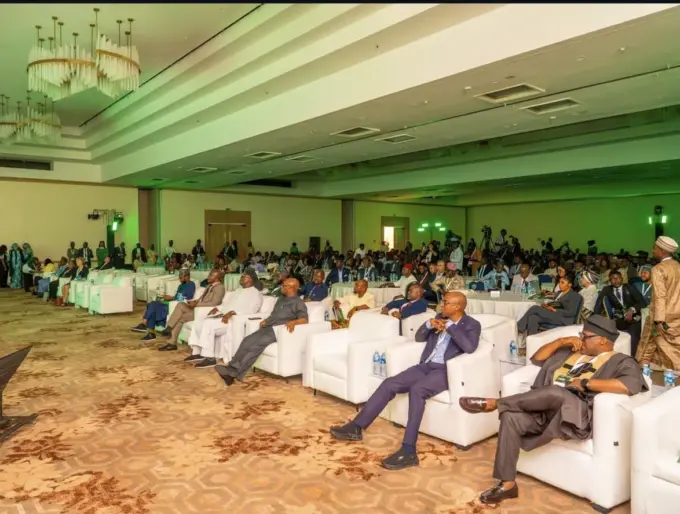
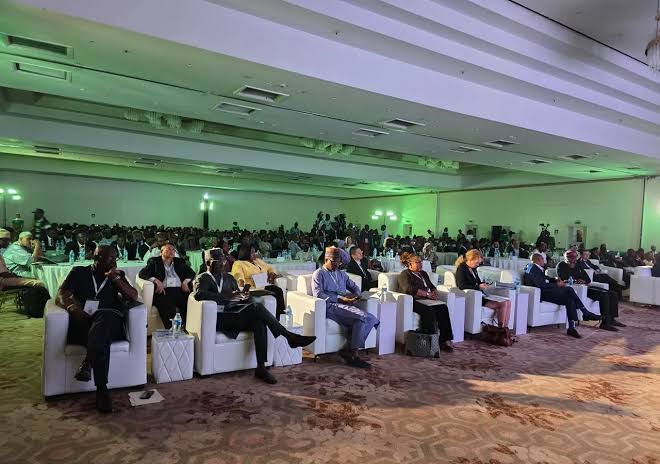
British Deputy High Commissioner Vicky Seymour announced the initiative on Wednesday at a stakeholder and investor roundtable in Abuja organised under the UK Partnering for Accelerated Climate Transitions (UK PACT) programme. The meeting focused on mobilising private capital for small run of river hydropower projects.
Seymour said the UK was working with Nigerian partners to address barriers to low carbon development and prepare renewable energy projects for investment.
She said the initiative had supported feasibility studies, dam safety assessments, environmental and social safeguards, financial modelling and transaction structuring for three pilot projects in Oyo, Kano and Plateau states.
The projects comprise the Ikere Gorge hydropower development in Oyo State, Gari Dam in Kano State and the rehabilitation of the NESCO hydropower cascade in Plateau State. Africa PPP Advisory and Ratio Consulting are implementing the project preparation initiative.
Seymour said reliable renewable electricity could improve livelihoods, create employment and support economic activities among rural households, smallholder farmers and businesses.
She also identified the Federal Government’s draft National Small Hydropower Policy, deployment toolkit and project pipeline as potential tools for creating a more consistent framework for investment in the sector.
Government seeks financing for pilot projects
Minister of Power Joseph Tegbe, represented by the President’s Special Adviser on Power, Martin Olajide, said the Federal Government was working to attract renewable energy investment through policy reforms, infrastructure concessions and international partnerships.
Tegbe said the Electricity Act 2023 had expanded opportunities for state electricity markets and private sector participation. He added that the pilot projects needed to address outstanding issues involving water availability, electricity transmission connections, power purchase agreements and payment security before they could reach financial close.
The projects are intended to demonstrate how existing water infrastructure could be developed or rehabilitated to supply electricity to rural communities, waterworks and agro processing businesses.
The proposed Ikere Gorge project, which has remained dormant for more than three decades, is expected to reach financial close by the end of the second quarter of 2027, according to the project partners.
The proposed scheme combines hydropower with solar generation and could provide about 100 megawatts of electricity for Oyo State and other potential customers, including those connected to the national grid. The capacity remains a project target rather than electricity already being generated.
Nigeria’s untapped hydropower potential
The Managing Director of the Rural Electrification Agency, Abba Aliyu, said Nigeria had an estimated small hydropower potential exceeding 3,500 megawatts, much of which remained undeveloped.
Aliyu, represented by his technical adviser, Jaafar Dikko, said existing dams offered opportunities to expand electricity supply to communities and support productive uses of energy.
He disclosed that the agency had developed about 48 interconnected mini grids in partnership with electricity distribution companies and state governments, although most were solar powered. The agency was ready to support viable small hydropower projects through public private partnerships and other financing arrangements.
Africa PPP Advisory Managing Partner Gori Olusina Daniel said combining hydropower with solar energy could improve reliability by diversifying generation sources across different seasons.
He cited the Ikere Gorge project as an example of how renewed investment and cooperation between government and private developers could help bring underutilised infrastructure back into service.
Linking electricity investment to agriculture
Tegbe also highlighted a proposed integrated poultry project in Oyo State designed to produce one million eggs daily. A hybrid solar and hydropower scheme could supply electricity for its feed mills, hatcheries, poultry houses and other facilities.
The associated agricultural plan includes irrigation to support the cultivation of 7,000 hectares of maize and soybeans for the poultry project’s feed mill. The proposed arrangement illustrates how reliable electricity could support agricultural processing and create demand for locally produced inputs.
The initiative’s success will depend on securing investment, completing the required technical and environmental assessments, and establishing commercially viable arrangements for supplying electricity.
For rural communities and businesses, the potential benefits include more reliable power, improved productivity and new employment opportunities. However, these outcomes will depend on the projects progressing from preparation and investor engagement to financing, construction and operation.







Leave a comment