


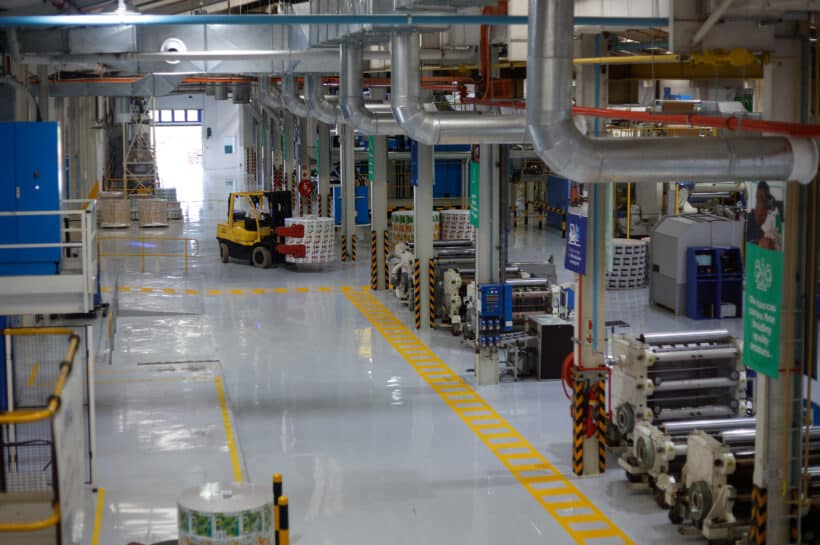
Growth in South Africa’s private sector slowed modestly in July, according to the latest Purchasing Managers’ Index (PMI), indicating that business activity continued to expand but at a slower pace than in the previous month.
The PMI survey showed that companies recorded continued growth in output and new business, although the rate of expansion moderated amid softer demand and persistent economic challenges.
Business leaders cited factors including subdued consumer spending, higher operating costs and uncertainty in parts of the economy as contributing to the slower pace of growth. Despite these pressures, firms continued to report overall expansion, reflecting resilience in the private sector.
Economists note that the PMI is a closely watched indicator of business conditions, with readings above 50 signaling expansion and those below 50 indicating contraction. They say the latest figures suggest that while economic activity remains positive, momentum has weakened compared with earlier months.
The survey also highlighted ongoing pressures on input costs, with businesses continuing to face higher prices for raw materials, transportation and other operational expenses. Some companies reported passing part of these increased costs on to customers, while others absorbed them to remain competitive.
Employment trends remained mixed, with some firms expanding their workforce in response to increased workloads, while others adopted cautious hiring strategies due to uncertainty over future demand.
South Africa’s economy continues to navigate challenges including inflationary pressures, infrastructure constraints, energy supply concerns and slower global demand. Analysts say these factors continue to influence business confidence and investment decisions across key sectors.
Development experts argue that sustaining private sector growth will require policies that encourage investment, improve infrastructure, enhance energy reliability and support small and medium-sized enterprises. They also emphasize the importance of regulatory certainty and skills development to strengthen long-term economic competitiveness.
The July PMI suggests that South Africa’s private sector remains on a growth path despite a moderation in activity. Economists say future business performance will depend on domestic policy reforms, global economic conditions and improvements in the country’s operating environment over the coming months.










Leave a comment