


Ivory Coast’s fashion industry is stepping confidently onto the international stage, with designers from Abidjan earning recognition from global icons and redefining African luxury.
Loza Maléombho, whose handmade creations caught the attention of Beyoncé’s stylist on Instagram, has become a symbol of this rise. After years of collaboration, Beyoncé wore Maléombho’s striking black-and-white jacket adorned with gold Baoule mask clasps in her 2020 music video Already. The garment, viewed by more than 70 million people on YouTube, showcased how African craftsmanship can resonate worldwide. Maléombho has also dressed Solange Knowles and Kelly Rowland, blending traditional fabrics such as Baoule pagne and Kita pagne with modern silhouettes to challenge ethnic clichés and elevate African aesthetics.
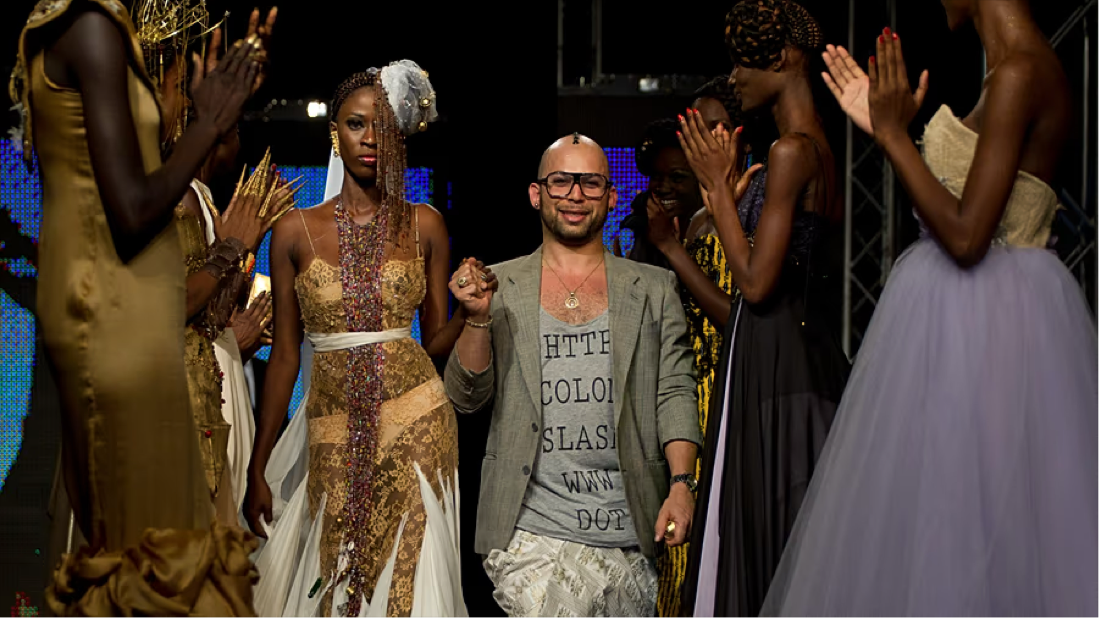
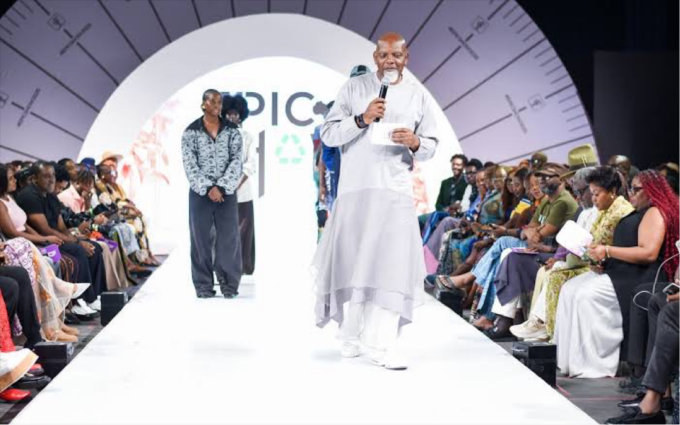
Elie Kuame, another leading figure, has built his fashion house in Cocody into a hub of creativity over two decades. His collections, which rely heavily on pagnes recognized by UNESCO as intangible cultural heritage, are meticulously crafted with embroidery, beadwork, and hand-finishing. Rejecting the restrictive French haute couture certification, Kuame established his own label of excellence, Born in Africa, and launched Abidjan Fashion Week, now a key platform for African designers to showcase their work to buyers and media.
Ibrahim Fernandez adds further prestige to Ivory Coast’s fashion scene. His creations, priced from hundreds to thousands of dollars, have dressed stars such as Aya Nakamura, Youssoupha, and Black M. At the 2024 Paris Olympics opening ceremony, Nakamura wore a dazzling cowrie shell and gemstone dress co-designed by Fernandez and LaFalaise Dion, highlighting African artistry before a global audience of millions. Fernandez recently exhibited at Galeries Lafayette in Paris, reinforcing the growing demand for African luxury fashion.
Despite their international acclaim, these designers remain rooted in Abidjan, determined to grow the industry locally. Their studios provide jobs, nurture creativity, and instill national pride, even as luxury garments remain out of reach for most Ivorians. According to UNESCO, demand for African fashion is projected to rise by 42% in the next decade, driven by expanding middle classes and e-commerce.
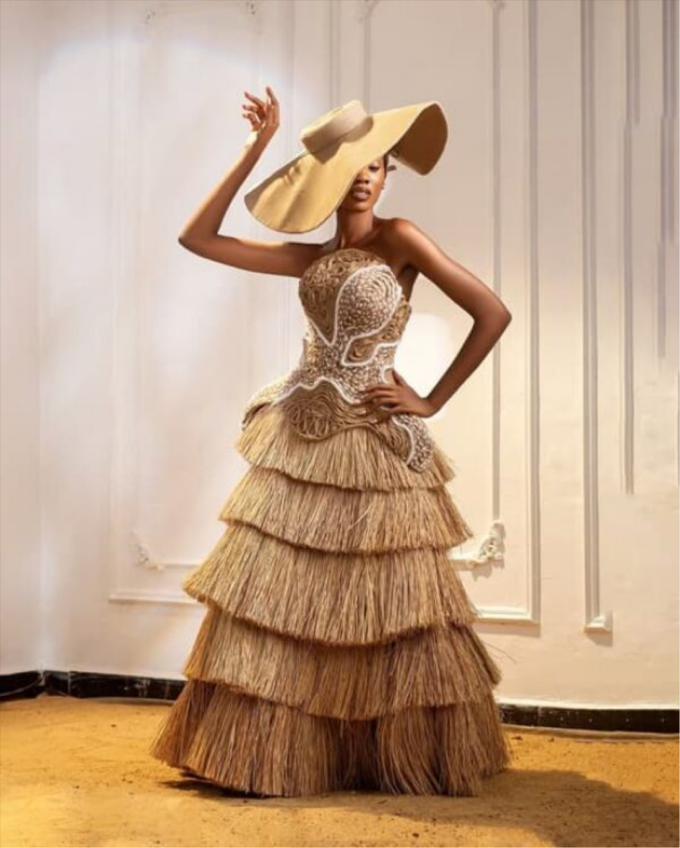
For Ivory Coast, fashion is more than commerce it is cultural diplomacy and soft power. By blending heritage textiles with contemporary design, Abidjan’s designers are positioning African fashion as both a global luxury and a celebration of identity.










Leave a comment