


São Tomé and Príncipe’s decision to reject oil exploration as the foundation of its economic future is drawing attention across Africa, with analysts suggesting the move offers important lessons for resource-rich countries such as Nigeria.
The island nation, located in the Gulf of Guinea, has chosen to prioritize sectors including tourism, agriculture and the blue economy rather than pursue large-scale petroleum development. Although offshore oil discoveries had long raised expectations of significant revenue, commercial production has yet to materialize.
Government officials in São Tomé have increasingly emphasized sustainable economic development over dependence on fossil fuels, citing the uncertainty of global oil markets, the transition toward cleaner energy and the environmental risks associated with oil extraction.
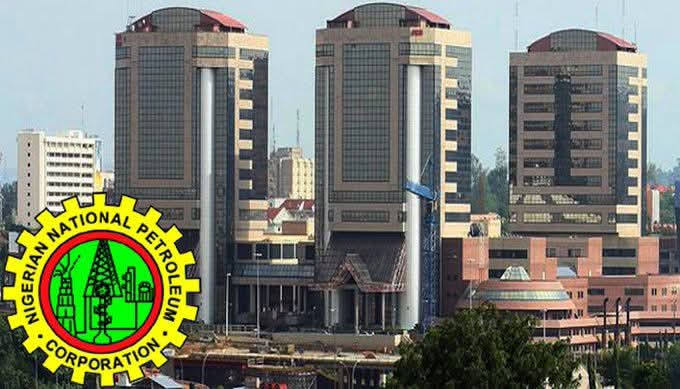
The country’s strategy contrasts with that of Nigeria, Africa’s largest oil producer, where crude oil exports continue to account for a significant share of government revenue and foreign exchange earnings. While the petroleum sector has generated substantial income over the decades, it has also exposed the economy to fluctuations in global oil prices and highlighted challenges including environmental degradation, pipeline vandalism and underinvestment in other productive sectors.
Development experts say São Tomé’s approach underscores the importance of economic diversification. Rather than relying on a single natural resource, countries can strengthen long-term resilience by investing in agriculture, renewable energy, fisheries, manufacturing, technology and tourism.
For Nigeria, the comparison comes as policymakers pursue reforms aimed at broadening the country’s economic base. Despite ongoing efforts to increase non-oil exports and improve domestic production, oil remains central to public finances, making the economy vulnerable to external shocks.
Analysts note that the experience of São Tomé is not necessarily a model to be replicated in full, given the significant differences in population size, economic structure and natural resources between the two countries. However, they argue it reinforces the need for African nations to align resource management with long-term development priorities and environmental sustainability.
The debate also reflects a broader continental conversation about how African countries can balance the continued exploitation of natural resources with investments that create jobs, protect the environment and promote inclusive economic growth.
As global demand for cleaner energy grows and the transition away from fossil fuels accelerates, experts say decisions made today about resource development could shape Africa’s economic resilience for decades to come.









Leave a comment