


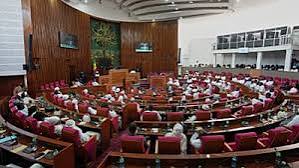
The court ruled that the proposed constitutional amendment was “contrary to the Constitution” after Faye referred the legislation for judicial review.
The bill, passed by the National Assembly, would have barred the president from leading a political party or coalition while expanding parliament’s oversight powers by granting it new investigative authority.
The government argued the reform had been adopted without adequate consultation with political stakeholders and maintained that such constitutional changes should instead be submitted to a national referendum.
The ruling comes amid a widening rift between Faye and Sonko, once close political allies who swept to power in 2024 under the Pastef party banner. Faye dismissed Sonko as prime minister in May, deepening tensions within the country’s ruling establishment.
Sonko now serves as president of the National Assembly, which approved the bill, and remains leader of the Pastef party that sponsored the legislation. Faye, who also belongs to Pastef, said last week he would soon launch his own political party, signalling a formal split within the movement.
The dispute is unfolding ahead of Senegal’s 2027 local elections, widely seen as the first major test of the political strength of the rival camps.
The creation of a new presidential party could significantly reshape Senegal’s political landscape, redefine alliances within the governing coalition and influence the balance of power heading into future elections.










Leave a comment