


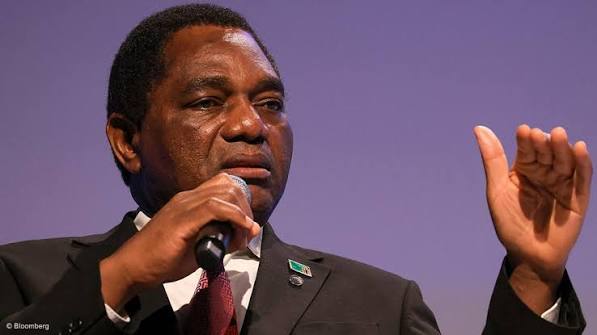
Since taking office in 2021, Hichilema has sought to rebuild investor confidence after Zambia became Africa’s first sovereign default during the COVID-19 pandemic. His administration has secured a landmark debt restructuring agreement with official creditors, reached a financing programme with the International Monetary Fund and pursued reforms aimed at restoring macroeconomic stability.
The government points to renewed economic growth, increased mining investment and efforts to strengthen public finances as evidence that the country is on a path to recovery. Authorities are also counting on an expansion in copper production, a key pillar of Zambia’s economy, to boost export earnings and create jobs.
However, many Zambians say they have yet to feel the benefits of the recovery. High food prices, rising electricity tariffs and the lingering effects of a severe drought have placed pressure on household incomes, while unemployment and poverty remain major concerns.
Opposition parties argue that economic reforms have come at a significant social cost, accusing the government of failing to ease the burden on ordinary citizens despite improvements in key economic indicators.
As campaigning gathers pace, Hichilema is expected to present himself as the candidate best placed to consolidate Zambia’s economic recovery and attract further investment. His opponents, meanwhile, are likely to focus on the gap between macroeconomic progress and the daily realities faced by many voters.
The election is expected to test whether Zambians are willing to reward long-term economic reforms or prioritise immediate concerns over the rising cost of living as the country charts its political and economic future.






Leave a comment