


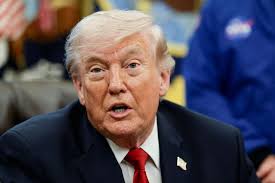
Former U.S. President Donald Trump said Washington “should have asked for more” in exchange for supporting Intel, as debate intensifies over the scale and terms of government backing for the chip industry.
In an interview with Fortune, Trump criticised the structure of public support provided to Intel, suggesting that taxpayer funded incentives should have secured a larger equity stake or stronger guarantees for the U.S. government. His remarks reflect a more transactional approach to industrial policy, where state investment is tied directly to ownership or returns.
The comments come as the United States ramps up efforts to rebuild domestic semiconductor manufacturing, driven by supply chain vulnerabilities and strategic competition with China. Intel has been one of the primary beneficiaries of these efforts, receiving substantial subsidies and incentives aimed at expanding chip production capacity on U.S. soil.
The policy push is part of a broader strategy to reduce reliance on foreign manufacturing hubs and strengthen national security in critical technologies. Supporters argue that such investments are essential to maintaining technological leadership and ensuring supply resilience, particularly as demand for advanced chips surges across industries.
However, critics have questioned whether the terms of these deals deliver sufficient value for taxpayers. Trump’s comments echo those concerns, implying that the government could have negotiated more favourable conditions, including potential equity participation or stricter performance requirements.
Intel’s agreements with U.S. authorities are central to a wider debate about the role of government in supporting private industry. While some policymakers favour aggressive subsidies to compete globally, others advocate for tighter conditions to ensure accountability and measurable returns on public investment.
Analysts say the outcome of this debate could shape future semiconductor policy, influencing how governments structure incentives and partnerships with major technology firms. For now, Trump’s remarks add political weight to ongoing discussions about balancing industrial strategy with fiscal responsibility.













Leave a comment