


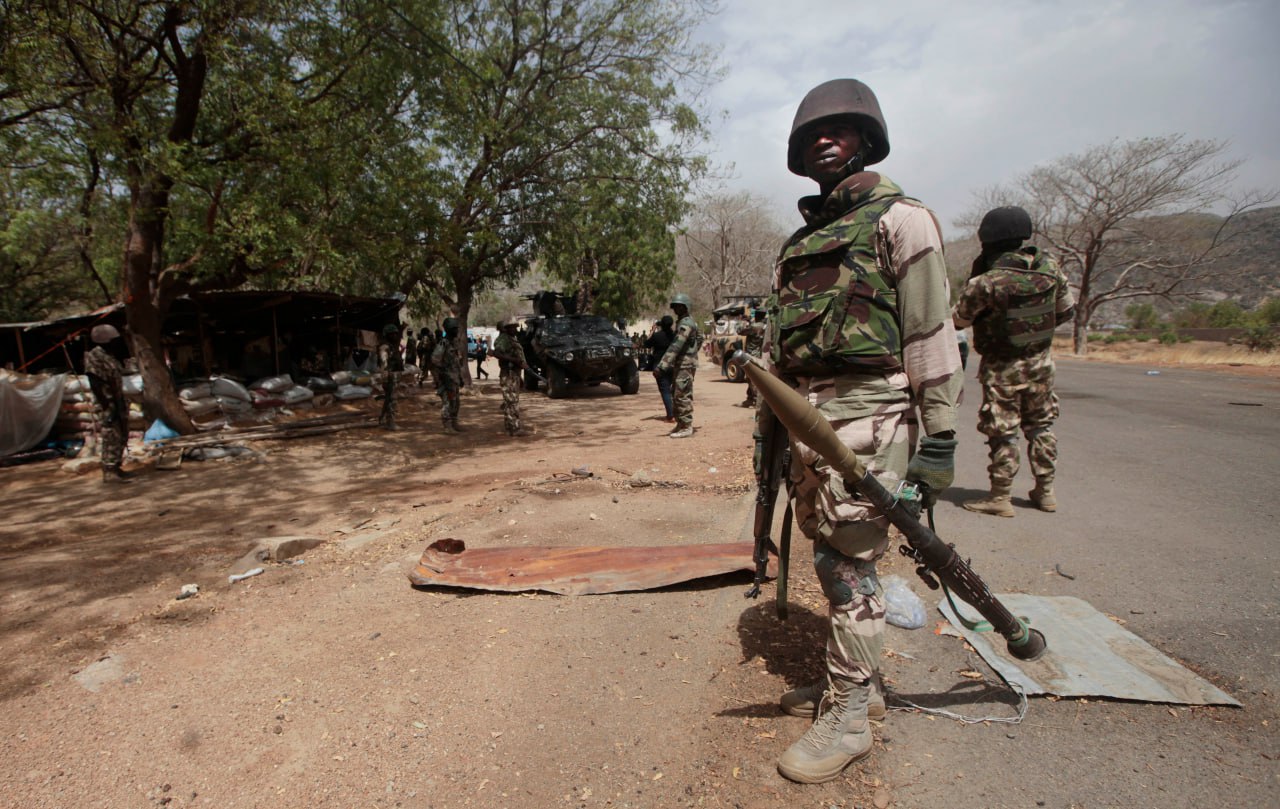
Nigeria’s escalating security crisis has been brought into sharp focus following a shocking report by the National Bureau of Statistics (NBS), which revealed that over 2 million Nigerians were kidnapped between May 2023 and April 2024. The report also disclosed that Nigerians paid a staggering $1.42 billion in ransoms during the same period, underscoring the scale of the country’s kidnapping epidemic and its economic impact.
The findings were part of the NBS Crime Experience and Security Perception Survey 2024, released on Tuesday. The report paints a harrowing picture of violence, insecurity, and the prevalence of kidnapping across the country. According to the data, 2.2 million individuals were abducted, and approximately 600,000 people lost their lives to violent crimes between May 2023 and April 2024.
The report identifies armed groups, locally known as bandits, as the primary perpetrators of kidnappings and related violence. These groups have wreaked havoc primarily in Nigeria’s northwest and north-central regions, where rural communities and transportation routes have become frequent targets. Meanwhile, terror-related violence continues to plague the northeast, where insurgent groups remain active.
The NBS report further highlighted that 91% of the recorded kidnappings were motivated by ransom demands, while the remaining incidents were attributed to political motives, criminal activities, and terrorist agendas. The staggering figure of $1.42 billion spent to secure the release of loved ones equates to an average ransom payment of $1,700 per incident—a heavy burden for families in a country where the minimum wage remains among the lowest in the region.
Security analysts have described these findings as a damning indictment of Nigeria’s inability to stem the rising tide of insecurity. “The figures not only reveal the magnitude of the crisis but also reflect the impunity with which these criminal groups operate,” said a senior security expert in Abuja. “Kidnapping has become a profitable industry, and unless there are systemic interventions, the situation will continue to worsen.”
The northwest and north-central regions, in particular, have become hotspots for banditry, with armed gangs targeting villages, schools, and highways. These groups operate with relative freedom, exploiting the absence of effective state presence and overstretched security forces. Local governments in these regions have struggled to contain the violence, often negotiating with armed groups to broker temporary ceasefires—a strategy that has drawn criticism for emboldening criminal networks.
Meanwhile, terror-related kidnappings remain persistent in the northeast, where insurgent groups such as Boko Haram and the Islamic State West Africa Province (ISWAP) continue to wage violent campaigns. The kidnapping of civilians, including schoolchildren, has long been a tactic employed by these groups to sow fear, extort funds, and sustain their operations.
The economic and psychological toll of the kidnapping crisis cannot be overstated. Families are often forced to deplete their life savings, sell property, or take loans to pay ransoms. The ripple effect on local economies is severe, particularly in rural areas where agricultural activities have been disrupted, and traders are reluctant to travel for fear of abduction. Additionally, foreign investment in key sectors like agriculture and transportation has dwindled as businesses grapple with insecurity.












Leave a comment