


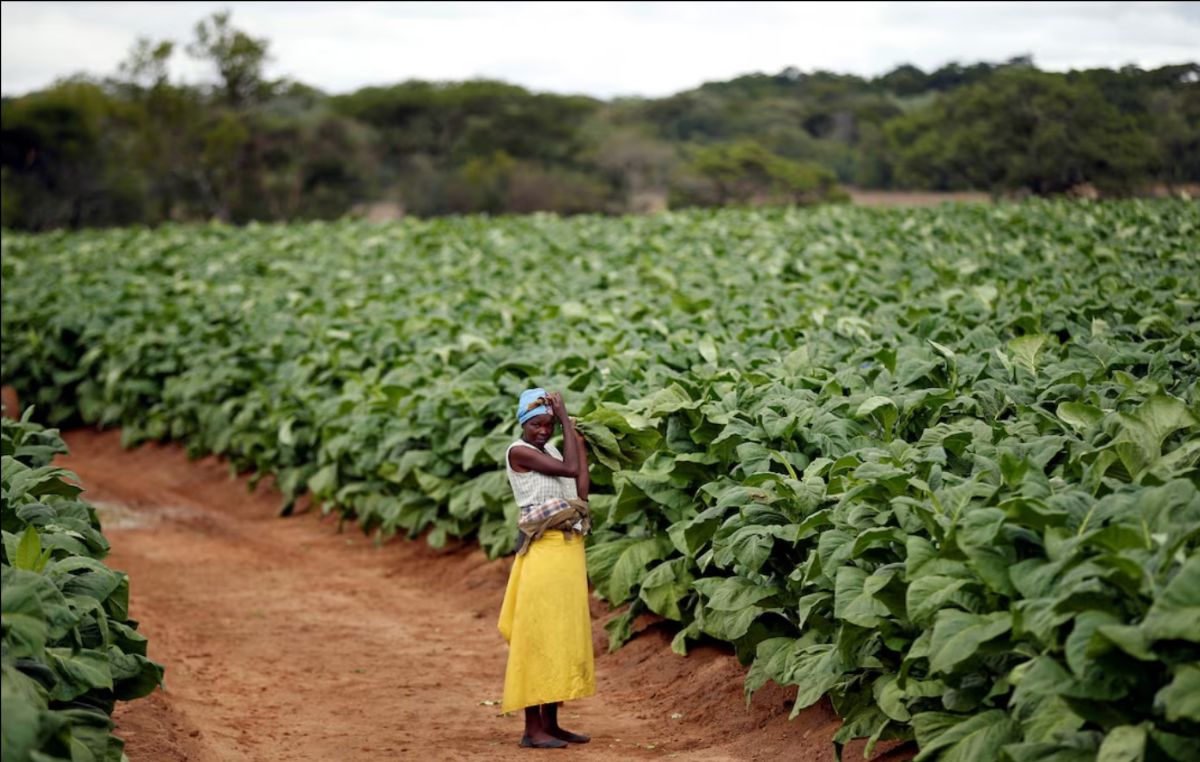
Zimbabwe’s government has announced plans to distribute $20 million as an initial compensation package to local Black and foreign white farmers whose land was expropriated during the controversial land reform program more than two decades ago. The move, according to Zimbabwe’s Finance Minister, is part of a broader effort to reinvigorate the country’s agricultural sector, which has suffered significant setbacks since the early 2000s.
This compensation is seen as a critical step toward addressing the lingering grievances from the farm invasions that were implemented under former President Robert Mugabe. During Mugabe’s tenure, thousands of white-owned farms were seized as part of a land redistribution initiative aimed at rectifying historical injustices dating back to the colonial era. The land reform program was intended to empower Black Zimbabweans, whose ancestral lands had been taken over by white settlers. However, the method of redistribution led to a sharp decline in agricultural productivity and a severe economic crisis that continues to affect the nation today.
The $20 million compensation package is being directed at a group of foreign white farmers and 400 local Black Zimbabwean farmers. It marks an important gesture by the government to reconcile the losses incurred by both groups during the land reform process. These farmers, many of whom lost their livelihoods as a result of the seizures, are receiving the first phase of compensation that the government hopes will signal a commitment to restoring confidence in Zimbabwe’s agriculture and economic prospects.
This compensation, while significant, is separate from the larger $3.5 billion settlement agreed upon in 2020, which was intended to compensate roughly 4,000 white Zimbabwean farmers whose land was confiscated. Due to Zimbabwe’s ongoing financial struggles, the government has yet to fulfill this larger obligation. Zimbabwe currently faces a foreign debt of $12 billion, with arrears owed to international institutions like the World Bank and other private creditors. The government’s limited fiscal capacity has constrained its ability to meet the terms of the 2020 agreement, even as it seeks to address past wrongs.
The initial compensation plan forms part of the government’s 2024 budget, and it is hoped that these efforts will contribute to the broader recovery of Zimbabwe’s ailing agricultural sector. The farmers to be compensated include individuals from countries such as Belgium and Germany, as well as local Zimbabweans whose land was expropriated. For years, many of these foreign farmers have sought restitution, and this initial payout could pave the way for further dialogue and resolution of the land reform issues.
Since taking office in 2017 after a coup that removed Mugabe from power, President Emmerson Mnangagwa has taken steps to re-establish ties with Western nations and financial institutions. His government has expressed a desire to address Zimbabwe’s mounting debt and rebuild the economy. One of the most pressing challenges Mnangagwa faces is regaining international trust, particularly in light of the land reform program and the economic difficulties that followed. While the compensation for farmers is a move toward reconciliation, it also serves as part of the government’s efforts to secure debt relief and encourage investment in Zimbabwe’s economy.
In pursuit of this goal, Zimbabwe has sought assistance from the International Monetary Fund (IMF) in managing its external debt. An IMF delegation is expected to visit Harare in the coming weeks, a sign of potential progress in negotiations for debt relief. However, recent political developments, including last year’s contested elections, have led to concerns about the country’s governance and stability, dampening the confidence of international donors and investors.
For Zimbabwe, compensating farmers whose land was taken during the land reform program is not just about rectifying the past—it is a necessary step in reviving its agricultural sector, which was once the backbone of the nation’s economy. By addressing these historical issues, the government aims to restore both local and international confidence in its ability to manage the economy, reduce its debt burden, and lay the foundation for sustainable growth. However, much work remains to be done to fully compensate all affected farmers and to steer the country toward long-term economic stability.












Leave a comment