


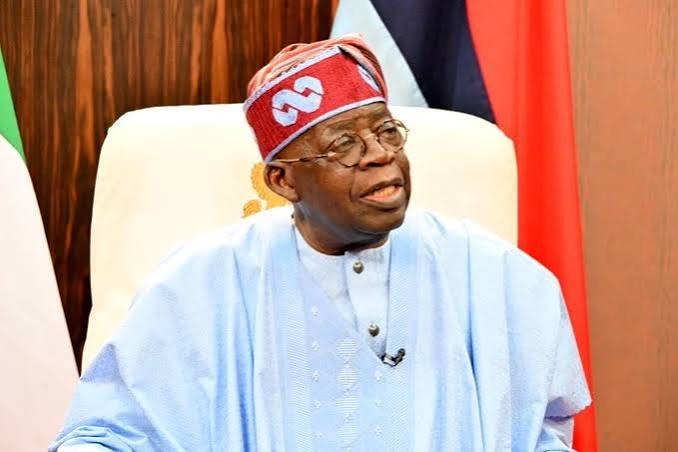
President Bola Tinubu has defended his administration’s infrastructure investment and borrowing strategy, arguing that Nigeria must translate economic reforms into completed projects, increased productivity and long-term economic growth.
In an article titled “From Reforms to Delivery: Our Infrastructure Investment and Growth Strategy,” published on Friday, October 30, Tinubu said the economic reforms introduced since May 2023 had strengthened public finances and created opportunities for the country to attract long-term investment.
He cited the removal of petrol subsidies, exchange rate unification and tax reforms as measures intended to restore macroeconomic stability and improve government revenue.
According to the president, Nigeria’s real Gross Domestic Product grew by 4.43 per cent in the second quarter of 2026, while headline inflation declined to 14.63 per cent in September from 20.98 per cent a year earlier. He also said gross external reserves reached $55.1 billion as of October 9.
Tinubu said the government was shifting public borrowing away from short-term fiscal pressures towards productive investments in roads, ports, railways and electricity infrastructure.
He maintained that the value of borrowing should be assessed by the economic returns and infrastructure delivered rather than the amount raised.
The president’s position comes amid public debate over the Federal Government’s proposed external borrowing programme of about $21.7 billion to finance projects and development programmes across 2026 and 2027.
He argued that long-term infrastructure assets should be financed through arrangements that reflect their useful life, while maintaining fiscal discipline and reducing refinancing pressures.
Among the projects identified as priorities are the Lagos-Calabar Coastal Highway, Sokoto-Badagry Superhighway, Trans-Sahara Superhighway, electricity grid upgrades and the modernisation of major commercial ports in Lagos.
Tinubu said the projects would improve regional connectivity, reduce transportation costs, expand trade and unlock agricultural and industrial opportunities.
He projected that the Lagos-Calabar Coastal Highway could reduce logistics costs along its corridor by 15 to 20 per cent and contribute up to two per cent to Nigeria’s GDP through increased trade, tourism and industrial activities.
He also estimated that the highway could generate about 100,000 direct jobs in construction and engineering, alongside more than 150,000 indirect employment opportunities in logistics, building materials and related services. These figures are government projections rather than confirmed employment outcomes.
The president cited recent developments in Nigeria’s international financial standing as evidence of improving investor confidence.
He pointed to positive rating actions by international credit rating agencies, Nigeria’s restoration to Frontier Market status by FTSE Russell and its removal from the Financial Action Task Force grey list.
Tinubu said these developments could improve access to institutional investors and create opportunities for longer-term financing at more favourable rates.
He also disclosed that the share of state government spending allocated to capital expenditure increased from 46 per cent in 2023 to 61 per cent in 2025.
Tinubu acknowledged the importance of ensuring that additional borrowing translates into measurable economic value. He said infrastructure financing must remain anchored in fiscal discipline, with no deficit monetisation or unfunded commitments.
He identified five priorities for the next phase of the government’s economic programme: food affordability and energy price stability; budget harmonisation and fiscal discipline; completion of high-impact infrastructure projects; regulatory efficiency; and targeted household support alongside investment in human development.
The president said the administration’s ambition of building a $1 trillion economy by 2030 would depend on converting reforms and improved access to capital into infrastructure that supports businesses, creates employment and raises living standards.
His remarks come as the proposed borrowing programme and the country’s debt obligations continue to attract public scrutiny, placing greater attention on project costs, implementation timelines, transparency and the economic returns expected from government-funded infrastructure.
Tinubu said the next phase of the country’s economic transformation should be measured by projects completed and tangible improvements in the lives of Nigerians, rather than policy announcements alone.







Leave a comment